Mauritius is easy to picture as a beach holiday. Port Louis asks a different question: what happens when you give the capital a proper part of the trip, rather than squeezing it between resort transfers? A market meal and a considered heritage visit can make the island’s connections feel more tangible than another afternoon beside the pool.
The useful version is deliberately small. Go into the city for food, leave time to understand one historical site, and return without trying to add an island-wide sightseeing circuit. Your visiting day matters: a Sunday outing and a weekday heritage visit are not interchangeable.
Choose the day before choosing the route
Aapravasi Ghat is closed on Sundays and public holidays. Its published visiting hours are Monday–Friday, 9am–4pm, and Saturday, 9am–noon. Admission is free. If the history stop is the reason for your trip, choose a weekday, check the site’s latest visitor information, and organise the journey around that opening window—not around an optimistic arrival just before closing.
On a Sunday, make a shorter, flexible city outing only if you have confirmed the food stops you want are trading. Do not assume every market stall or shop will be open, or that looking at the heritage site’s exterior substitutes for visiting its interpretation centre. If both market and museum are essential to you, move the city day instead of watering it down.
Make the market a meal, not a shopping assignment
The Central Market is a useful place to begin with appetite rather than a souvenir list. Look at what people are buying, read the available menus and choose a manageable first order. Buying a little, tasting it and then deciding whether you want more is more rewarding than attempting every famous snack at once.
Mauritius’s official tourism brochure highlights dholl puri, farata, samoussa and gâteaux piment among its street foods, as well as alouda to drink. Those names are a starting point for a conversation, not a guarantee that a particular counter stocks all of them. Ask the vendor what is available, how the dish is served and whether you can have a small portion.
- For a first savoury stop: choose dholl puri or farata, and ask about the fillings and accompaniments before ordering.
- For a small second taste: look for samoussa or gâteaux piment rather than another full meal.
- For a drink: ask what goes into the alouda being served; recipes, sweetness and serving sizes can vary.
- For any dietary restriction: ask specifically about ingredients and shared preparation. A dish’s familiar name is not evidence that this version suits you.
Confirm the price and portion first, keep small change handy, and step away from the ordering space to eat. Request permission before photographing a person or their stall. Someone earning a living is not a prop in your travel story; buying a snack does not buy consent.
Give Aapravasi Ghat your full attention
The city’s heritage is not simply a collection of attractive colonial buildings. UNESCO describes Aapravasi Ghat as a key place in the history of indentured labour: between 1834 and 1920, almost half a million labourers from India arrived here to work in Mauritius or travel onward. The surviving depot structures speak to a system that followed slavery’s abolition, and to lives whose consequences extend well beyond the waterfront.
Start with the Beekrumsing Ramlallah Interpretation Centre, then visit the surviving property. The operator suggests roughly an hour overall, divided between the exhibits and the site. That is a planning allowance, not a target to beat. Read the accounts, notice what survives and what needs interpretation, and resist treating the remains as a quick photograph between meals.
The entrance is on Quay Street. Guided visits depend on availability and advance arrangements; do not promise yourself a guide just because entry is free. Contact the operator about specific access needs before setting out, rather than assuming the historic remains and every part of the visit have identical access.
Leave a little space for the city between stops
After a meal and the history visit, you do not need another ticketed attraction to justify coming. A short street walk, a place to sit and a second drink can be enough. Keep the next stop optional: if the heat, showers or your energy make another walk unappealing, finish while the day still feels good.
The market and harbour-side heritage stop are distinct places. Use an up-to-date map and proper pedestrian crossings between them, rather than assuming a straight line on a map is a comfortable route. This is a working capital, not a pedestrian resort promenade. Do not extend a visitor walk into restricted port areas.
Keep the return journey part of the plan
Before leaving your accommodation, establish where you will arrive in Port Louis, how you will return and what your chosen transport actually serves that day. A transfer from a coastal hotel is not the same journey as a departure from inland Mauritius. Ask for the full arrangement, including the meeting place, rather than relying on a generic travel-time estimate.
- Check the heritage site’s hours and any holiday closure for your actual visit date.
- Confirm at least one food stop, especially for a Sunday outing.
- Carry water, sun protection and a light rain layer; do not build the visit around guaranteed weather.
- Leave enough return time for your next commitment. A city lunch should not become a rushed airport connection.
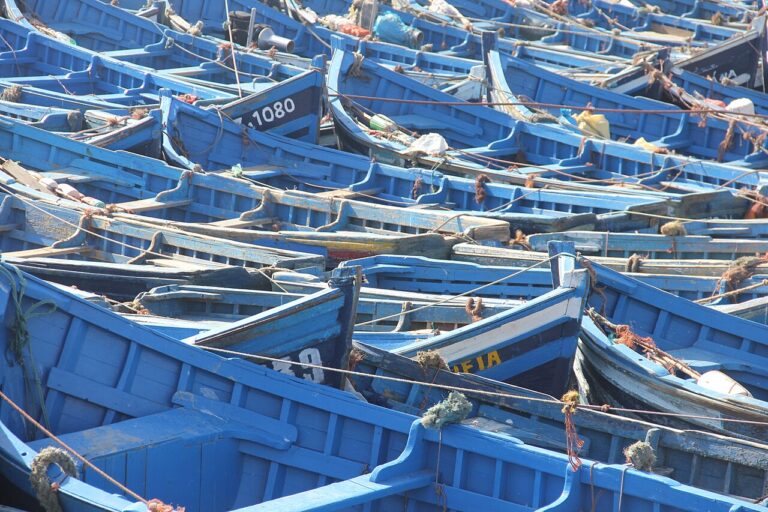
If this slower city approach appeals, our Essaouira story explores another place where everyday trade deserves space alongside sightseeing. For a different heritage quarter, Galle Fort offers a similar reminder to look beyond the postcard—without pretending the two histories are the same.
Sources and photograph
Visitor information checked 11 October 2026: Aapravasi Ghat Trust Fund: plan your visit; UNESCO: Aapravasi Ghat; Mauritius Tourism Promotion Authority brochure; my.t: Port Louis Central Market. Opening details and individual traders’ availability can change; check directly before travelling.
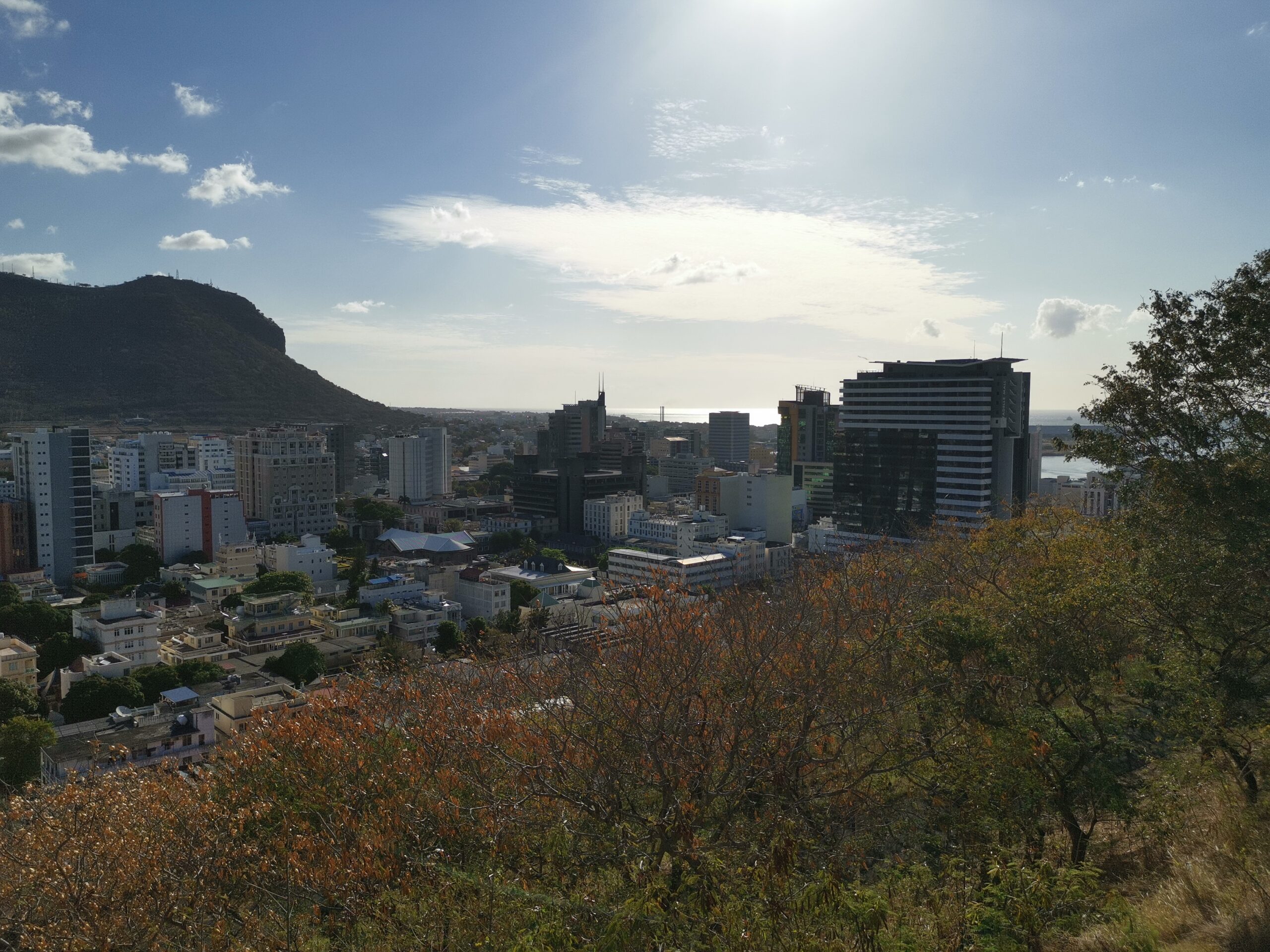
Featured photograph: Port Louis viewed from Fort Adelaide, photographed in September 2019 by Z thomas, via Wikimedia Commons, CC BY-SA 4.0. Historical photograph, not a live view; displayed with responsive resizing/cropping. Any adapted image remains under the same licence.