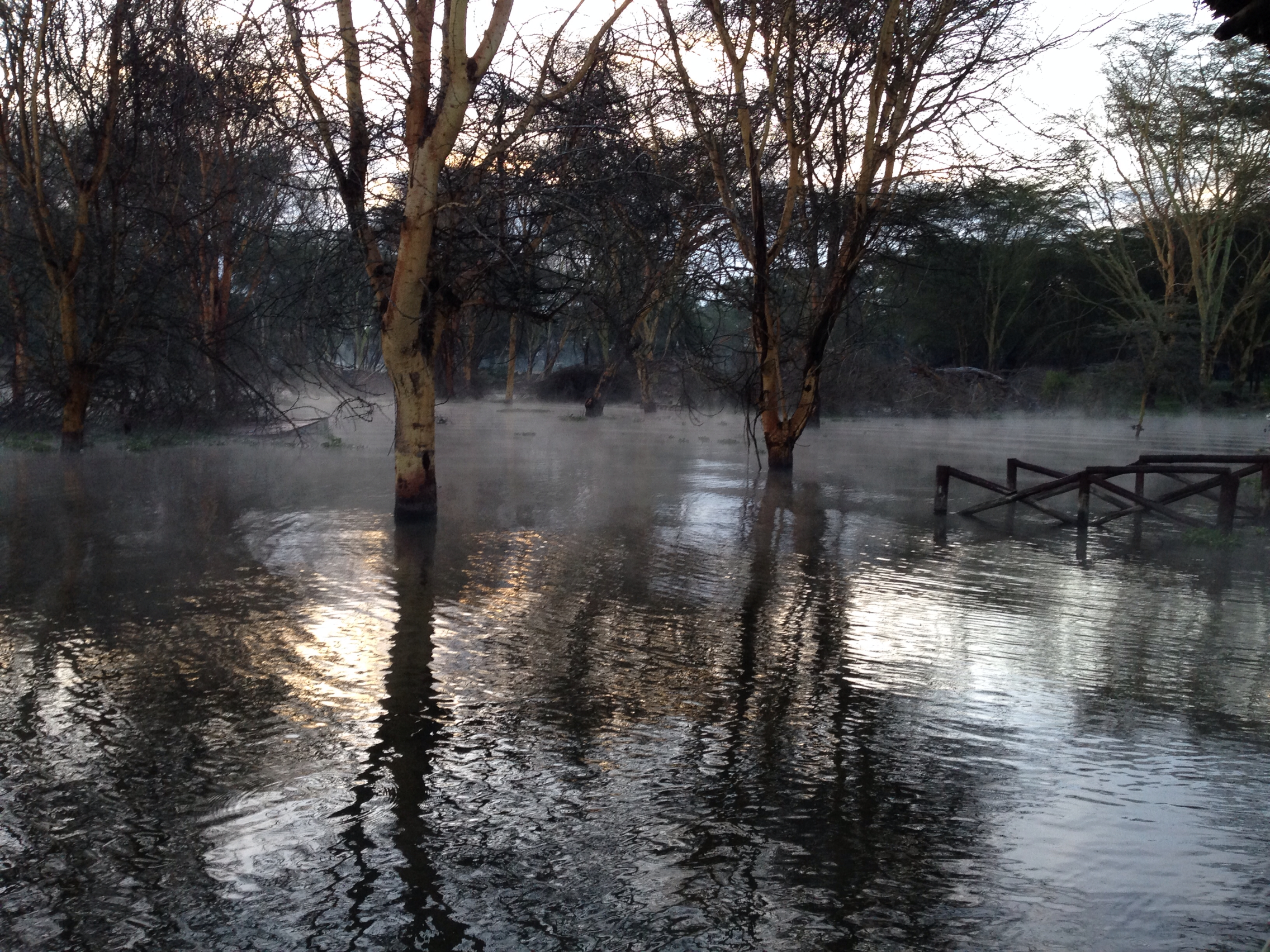
Lake Naivasha is best approached as a living wetland, not a checklist of animals to collect. A boat trip can bring water, trees and birdlife into the same quiet frame—but the useful planning starts before anyone steps aboard. Choose the operator carefully, leave room for changing conditions and treat wildlife sightings as a possibility, never a promise.
Make the lake the focus, not an overfilled day
Our suggestion is simple: one lake outing, one unhurried meal and enough spare time to change your mind. Do not make the boat trip the tight connection between a long road journey and another fixed booking. Ask your accommodation about the actual landing point, the transfer arrangements and whether the outing is appropriate for that day.
The Kenya Wildlife Service’s national wildlife census identifies Naivasha among Kenya’s freshwater sites monitored for waterbirds. That is a better starting point than expecting the same spectacle as every other Rift Valley lake. Bring binoculars if you have them; a guide who explains habitat and behaviour is more valuable than a list of guaranteed species.
Six questions to ask before paying
Kenya’s Tourism Regulatory Authority lists boat excursions among licensed tourism enterprises and provides a licence-verification link on its website. Ask for the trading name and current licence details rather than accepting an anonymous lakeside offer. Tourism licensing and a vessel’s safety paperwork are different checks; one does not replace the other.
- Who operates the trip? Get the business name, licence details and a contact you can reach afterward.
- What boat will we use? Ask about its current licence, insurance, passenger limit and the skipper’s qualifications.
- Does every passenger have a properly fitting life jacket? Include children’s sizes; check before boarding, not halfway out.
- How are conditions assessed? Ask who decides to postpone, shorten or cancel the outing.
- What is included? Agree the duration, landing point, total price and whether any separately managed site or walking activity costs extra.
- What happens if plans change? Clarify cancellation terms, the return arrangements and how the crew communicates in an emergency.
A clear answer is not a reason to stop observing. If the boat looks overloaded, the promised equipment is absent or you are being hurried past questions, decline the trip. You do not owe an operator a departure simply because you have reached the jetty.
Wear the jacket; give wildlife room
The Kenya Maritime Authority advises passengers to wear correctly sized life jackets throughout a boat journey and stresses licensed, insured vessels, adequate safety equipment and communication devices. Keep the jacket fastened; do not remove it for photographs. Remain seated as instructed and tell the skipper before shifting position.
Ask the guide how they avoid disturbing wildlife, including any hippos encountered. Do not request a closer approach for a photograph, feed animals or pressure the skipper to follow them. This article gives no supposedly safe distance: conditions, animal behaviour and the crew’s judgment matter. A trip should not depend on crowding wildlife.
Give birdwatching a slower rhythm
Choose observation over constant movement. Ask the guide to explain what you are seeing and write down a few names to check later. A bird hidden in reeds is not a failed sighting; a quieter stretch of shoreline may be the most memorable part of the outing.
Keep snacks and packaging contained, bring a refillable bottle and take your rubbish back. Treat any landing or shore walk as a separate decision requiring permission and local advice. Do not turn an unsupervised waterside wander into the fallback when the boat trip is cancelled.
Keep a genuine plan B
If conditions or equipment are unsuitable, choose a permitted, managed viewing area recommended by your host, or a relaxed meal away from the water’s edge. Rebooking is better than forcing a departure. Leave swimming and independent paddling out of this itinerary.
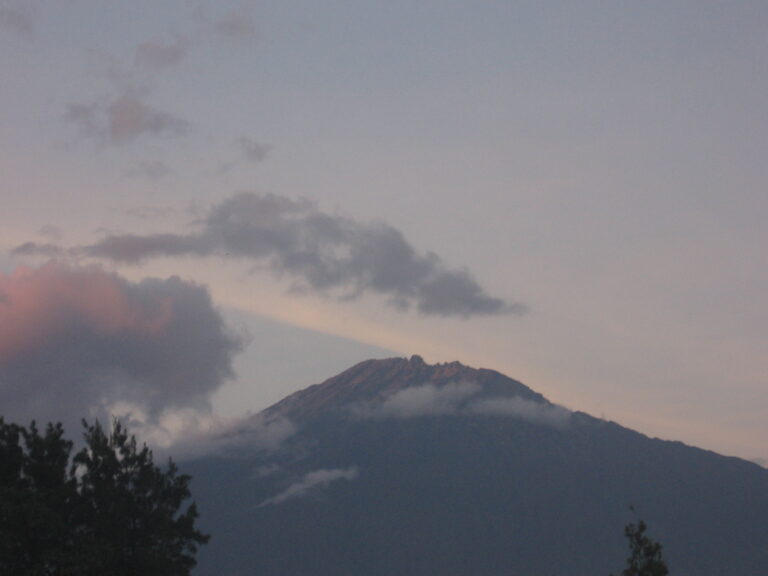
For a wider East African journey, our Arusha pre-safari checklist uses the same practical principle: sort the logistics first, then give the experience room to breathe.
Sources and image credit
Information checked 4 October 2026 against the Kenya Wildlife Service national wildlife census, the Tourism Regulatory Authority’s boat-excursion licensing information and licence-verification service, and the Kenya Maritime Authority’s water-safety guidance. Recheck operator details and local conditions before booking.
Featured photograph: Dawn at Lake Naivasha; photo by Liam, credited on the source page to Peter Dowley / Flickr, via Wikimedia Commons, CC BY 2.0. Archive photograph from 2014, not a report of current water levels; resized and display-cropped by the website.
.jpg)