A visit to the medina of Tunis does not need to end with a bag of purchases to have been worthwhile. Its trades, doorways and conversations can give you a much richer sense of the city than a hurried sweep through every souvenir stall. Choose a small route, ask a few good questions and leave enough time for a meal.
The aim is not to find a supposedly untouched place behind the shops. Trade is part of the medina’s life. The more useful distinction is between paying attention to a working neighbourhood and treating it as an unlimited photo set—or a shopping task you must finish.
Start with a route you can explain
Choose Bab Bhar as one possible meeting or orientation point, then identify your first souk street on a current map. Save a return point you can recognise and agree where you will meet if your group separates. Entering the medina without a long checklist is sensible; entering without any idea of how to leave is a different decision.
UNESCO’s account of the medina identifies markets including Souq el-Attarine and Souq ech-Chaouachia among its historic urban fabric. Use those names to give the walk focus, not as a promise that every business will be open or producing goods when you arrive. Ask your accommodation or a qualified local guide about trading patterns and current conditions.
Keep the first circuit modest. Begin with one trading area, stop when something genuinely interests you, and decide whether to continue after that conversation. A guided visit can be useful if you want help understanding craft processes and street history: agree the duration, language, price and any shop stops before starting. Do not mistake an unsolicited offer to lead you somewhere for a service you have already chosen.
Ask about the object, not just the price
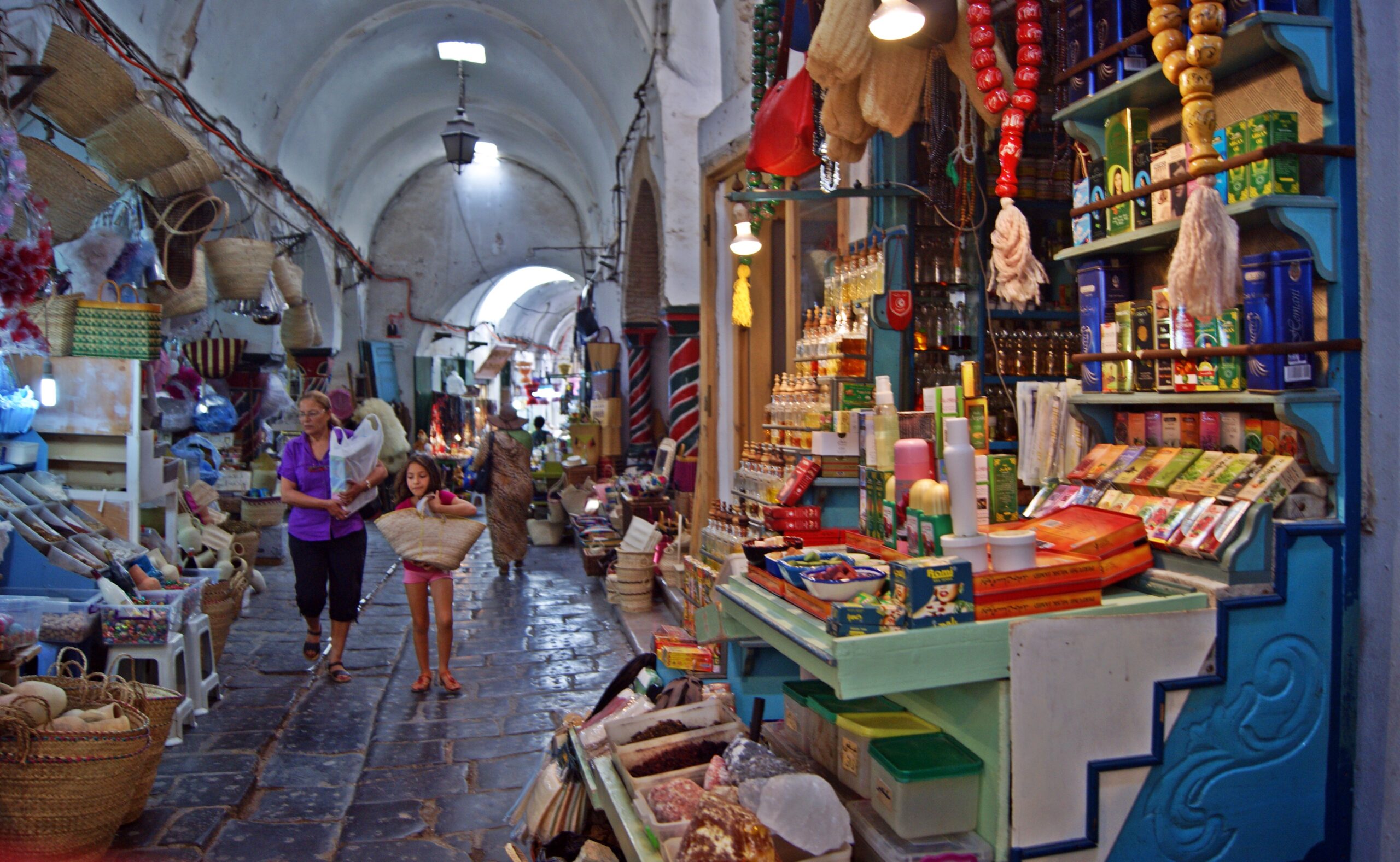
Tunisia’s official tourism board highlights the medina’s textiles, engraved silver jewellery and chéchias, the traditional felt hats. Let that be an invitation to look closely rather than an automatic shopping list. A seller may stock items from different makers, places and production methods; a historic street does not establish the provenance of everything on its shelves.
- Where was this made? Ask for a specific answer rather than relying on a broad label such as “local”.
- What is it made from? Check the material, care needs and any differences between similar-looking items.
- Which stages happen here? A shop, finishing workshop and full production space are not necessarily the same place.
- May I watch or photograph? Ask before approaching a workbench, handling tools or taking a close picture of a person.
Give people an easy opportunity to decline or say they are busy. If you are interested in a longer workshop demonstration, ask whether it is offered, whether a fee applies and how to arrange it. Do not promise yourself a craft lesson merely because the neighbourhood is known for that craft.
If you do buy, settle the final price, payment method and what is included before paying. Choose something you can transport and care for. Ask about lawful export requirements for any item presented as old or an antiquity; Tunisia requires official permission to remove antiquities. A confident sales description is not export permission.
Let the buildings tell a second story
After a focused souk visit, switch your attention to architecture: a doorway’s carved surround, a change of passage width or a courtyard glimpsed from an authorised entrance. The medina’s significance includes its residential fabric as well as its monuments. Walking more slowly makes that easier to appreciate without inventing a historical explanation for every decorative detail.
The Zitouna Mosque is an important landmark, but seeing a sacred site from the street does not establish permission to enter its courtyard or interior. Confirm visitor access, clothing requirements and photography rules locally. Follow the instructions you are given; do not enter residential or religious areas because a door happens to be open.
A museum, cultural centre or heritage interior can add depth if its current opening and programme fit the day. Check the specific operator before setting out. This visit does not promise Bardo admission on a Monday or a concert, exhibition or festival based only on a general tourism description. If the interior is the reason for coming, build the date around confirmed access.
Give lunch its own space
Choose a counter or restaurant with a menu you can understand and seating that works for you. The official tourism board mentions brik, fricassé, kaftaji and lablabi among food possibilities in the medina. Pick something that appeals, ask what is in today’s version and confirm the portion and price. There is no need to order the entire list to feel you have tasted Tunis.
Explain dietary restrictions directly and ask about shared preparation rather than relying on a dish name. Leave time to eat without blocking another business’s entrance or treating a working stall as a place to assemble your group. If a planned food stop is closed or too busy, use your alternative; one unavailable counter does not invalidate the city visit.
Keep the city visit within current advice
Read current travel advice before travelling. As checked on 12 October 2026, the UK’s FCDO warns against travel to specified parts of Tunisia and identifies terrorism risks, including in places visitors gather. A Tunis city route is not a safety assurance or advice to extend into restricted border regions. Check your own government’s guidance, your full itinerary and insurance.
Avoid demonstrations and follow local instructions, including checkpoints or curfews. Keep valuables discreet and do not photograph government buildings or military sites. Obtain current local advice from your accommodation or operator rather than assuming yesterday’s conditions still apply.
For the return, choose a specific pickup or meeting point reachable by your transport and confirm the fare arrangement. Check the day’s forecast and allow breaks; this is a cultural city visit, not a promise of comfortable weather or a step-free route. If uneven surfaces or crowded passages affect your mobility, discuss the actual route before committing to it.
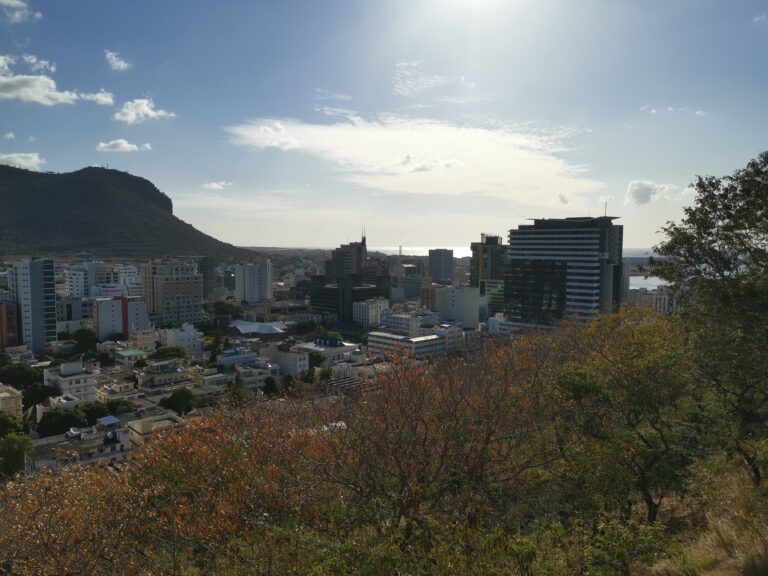
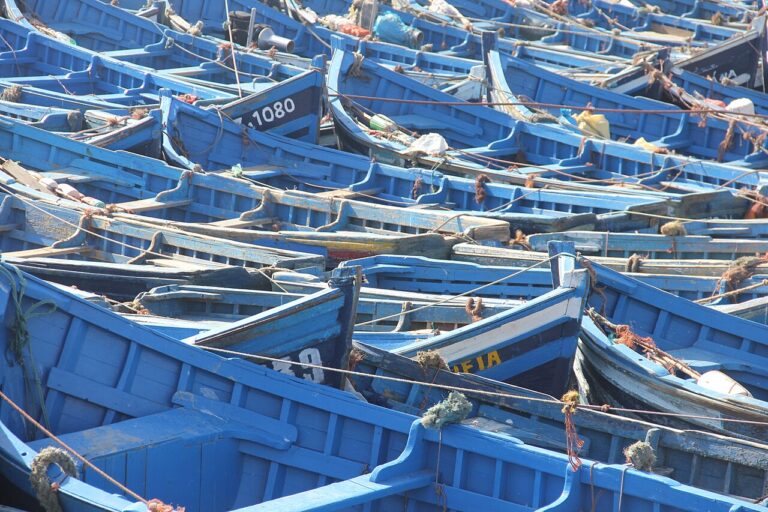
Keep Carthage and Sidi Bou Said for separately planned visits rather than adding them to every medina afternoon. For another approach to a living trading quarter, see our Essaouira story. Our Port Louis guide also connects everyday food with history, without treating distinct cities as interchangeable.
Sources and photograph
Context and advice checked 12 October 2026: Tunisian National Tourist Office: around Tunis; UNESCO: Medina of Tunis and Urban Heritage Atlas; FCDO Tunisia advice and safety and security. Individual businesses, visitor access and local conditions require fresh checks for your travel date.
Featured photograph: stalls in the Tunis medina, photographed 22 June 2015 by Selma Jmii, via Wikimedia Commons, CC BY-SA 4.0. Archival scene, not a claim about today’s traders or stock; responsive resizing/cropping for display. Any adapted image remains under the same licence.