A visit to the COPE Visitor Centre can give a Vientiane afternoon a different focus: understanding the lasting effects of unexploded ordnance and the work that helps people regain mobility. Make room to read and listen, then leave space afterwards to think about what you have learned.
This is a useful choice for travellers who want context alongside the capital’s sights. Treat the visitor centre as an educational stop within a working rehabilitation setting. The distinction should shape both your arrival and your behaviour.
Begin with the work behind the displays
COPE’s visitor information describes exhibitions about unexploded ordnance, its continuing effects in Laos and rehabilitation. Its organisational FAQ explains that support extends beyond UXO survivors to people needing prosthetic and orthotic services for other reasons too. Keep that wider picture in mind: a person’s life cannot be reduced to an injury.
Read the interpretation before reaching for a camera. Choose one question to follow through the displays—how a device is fitted, for example, or what makes rehabilitation reachable for someone living far from a service. Let the institution’s own explanations lead, rather than trying to turn a short visit into expertise.
Plan an early visit and check the closing time
Opening-hours check, 5 November 2026: COPE’s visitor page gives an 08:30 daily opening, but its desktop and alternate page content carry conflicting 17:00 and 16:00 closing times. We have not independently confirmed which applies. Check directly with the centre before travelling, and avoid building the afternoon around a last-hour arrival.
Entry is listed as free. The centre also lists short documentary screenings; ask staff about that day’s times. A screening is an option to confirm on arrival, rather than a fixed appointment in this suggested visit.
- Before leaving: confirm opening, any display restrictions and the return journey.
- For access needs: ask about the route from the drop-off, steps or thresholds, seating, toilets and the format or language of interpretation. We have not verified a fully step-free route.
- With children: explain the subject first and be ready to shorten the visit if the material becomes overwhelming.
Arrive at the visitor centre, with boundaries clear
The operator places the centre on Khouvieng Road within the Centre for Medical Rehabilitation grounds, opposite the Green Park Hotel. Save the official directions for your driver and follow visitor-centre signs once inside. Ask staff if the route is unclear.
Stay in spaces designated for visitors. Do not enter treatment areas, seek patient encounters or photograph people receiving care. Permission to visit an exhibition does not give permission to record someone else’s medical setting. Follow the centre’s current photography instructions, including for individual displays.
For the journey, arrange a known taxi through your accommodation or a recognised local service, agree the destination and check the return arrangement. Traffic, walking surfaces and your own access needs matter more than a map’s straight-line distance. Carry water and change the plan if weather makes the journey uncomfortable.
Leave the rest of the afternoon open
Afterwards, choose a quiet meal or return to your accommodation. There is no need to stack another substantial historical visit immediately behind this one. If travelling with someone, compare one thing you learned and one question you still have; avoid judging the experience by how much you managed to photograph.
Keep the wider journey separate from this city visit. Read the current Laos travel advice and safety guidance, including regional restrictions and transport considerations. A visitor-centre article is not a clearance for travel elsewhere in the country.
For another approach to difficult history, see our guide to visiting Cape Coast Castle with care. Our Hanuman Dhoka courtyard guide also considers the boundaries between visitors and places with continuing local uses.
Sources and image credit
Checked 5 November 2026: COPE visitor information, COPE organisational FAQ, and the FCDO pages linked above. Older annual statistics in the FAQ are not presented here as current figures. No booking, direct confirmation of closing time or donation has been made for this article.
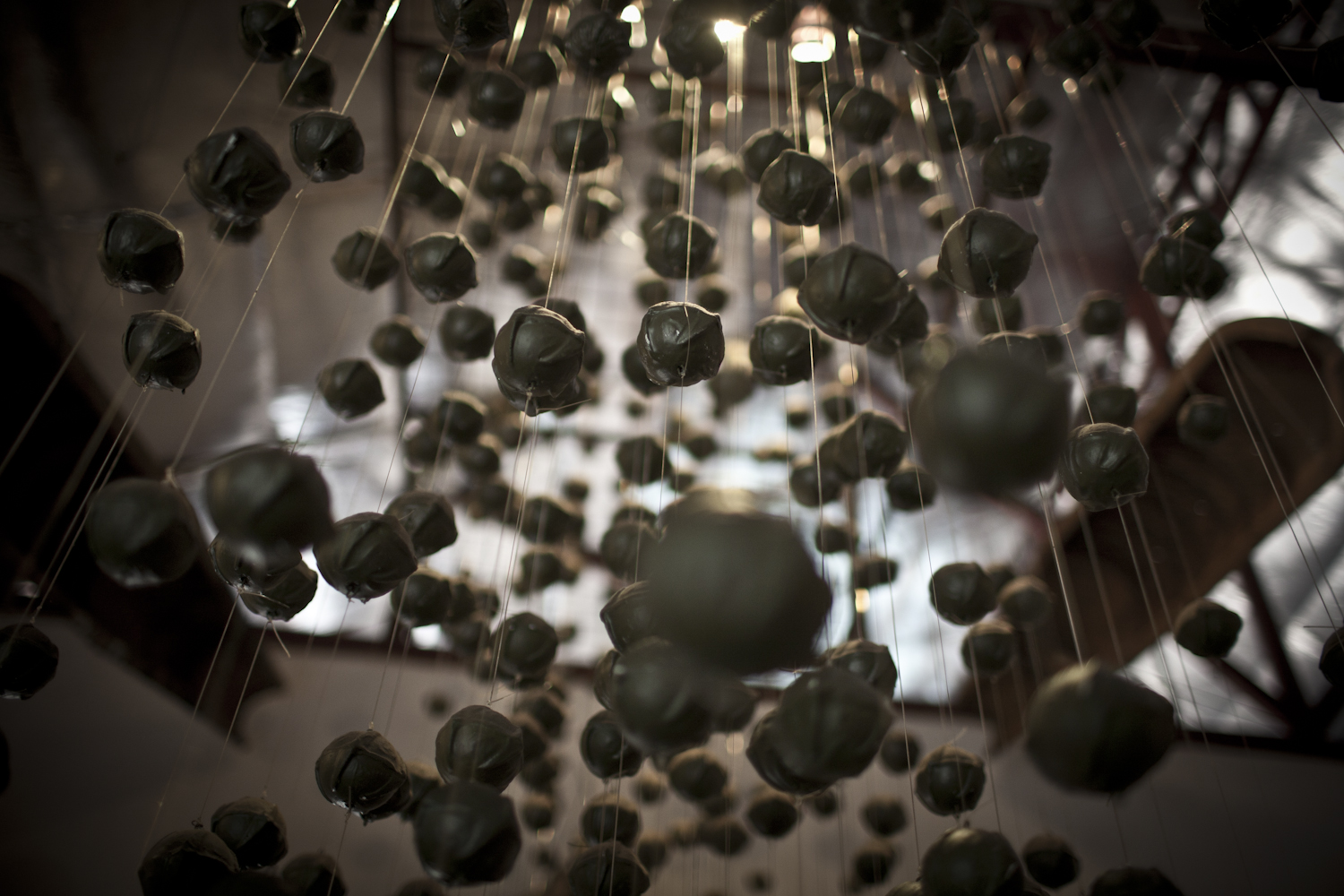
Featured photograph: imitation cluster-bomb display at COPE, Vientiane, 14 March 2011. Credit: Department of Foreign Affairs and Trade website – www.dfat.gov.au; Conor Ashleigh / Australian Aid Photolibrary, as identified in the file metadata. Wikimedia Commons source, CC BY 4.0. Original 1500 × 1000 image; the website may crop it responsively. This historical photograph does not confirm the current exhibition arrangement or imply endorsement.