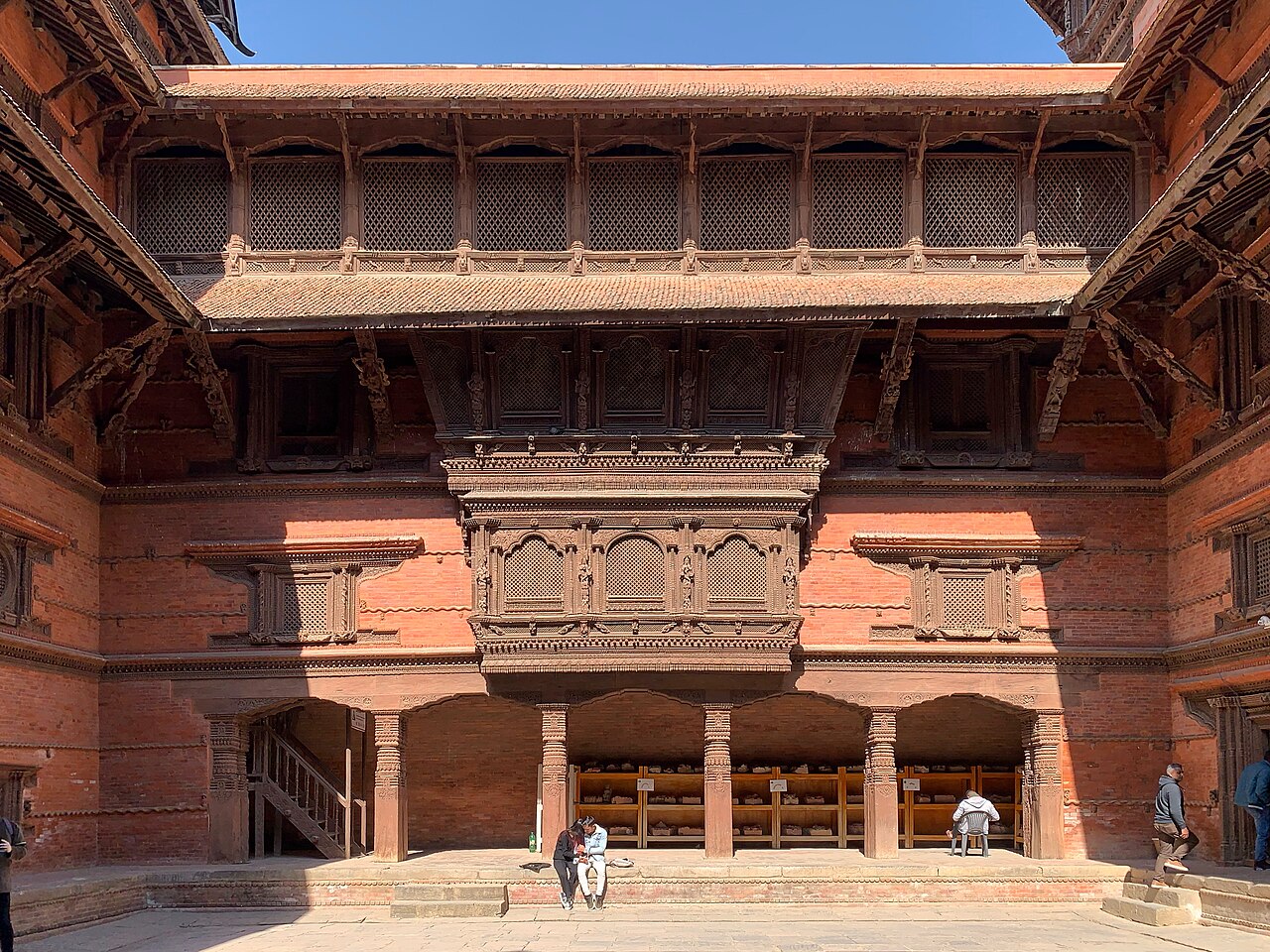
In Kathmandu’s old centre, a carved window can hold your attention as effectively as a skyline of temples. Timber latticework, brick façades and the edges of a courtyard offer a way into Hanuman Dhoka that begins with looking carefully, rather than trying to enter every building.
For a first visit, keep the ambition small: understand the heritage area, establish where you may go and spend time with a few architectural details. This is a city visit, with no trek or mountain excursion attached. A short outing also leaves room for a seated break and a straightforward return.
Get your bearings before choosing a doorway
The Nepal Tourism Board identifies Kathmandu Durbar Square with the names Basantapur Durbar and Hanuman Dhoka. Its palaces, courtyards and temples belong to a complex heritage landscape within the living city. The name on a map can describe a wider area, not one building with one set of visitor rules.
Begin by identifying an official ticket point and a clear meeting place. Ask staff which parts are open that day, which ticket applies to your visitor category and whether palace or museum entry is included. Publicly visited heritage space is not automatically free to enter, and a square ticket should not be treated as permission to cross every threshold.
The museum operator’s ticket information locates its counter beside the Hanuman shrine in the Tribhuvan Sadan building. Its published Nepalese and Nepali-student prices should not be mistaken for a complete international visitor tariff. Confirm your own arrangements at the official counter and retain the ticket.
Make one permitted courtyard enough
The tourism board describes Nasal Chowk as a courtyard within the palace entrance. That is useful context, not a guarantee that every palace section will be accessible on your date. Choose a courtyard only after staff confirm entry; if an area is closed, make the visit smaller rather than finding another way in.
Once inside a permitted visitor area, stop before raising the camera. Compare the spacing of the windows, the depth of the carved timber and the way the brickwork frames it. Looking from more than one position often reveals more than collecting photographs of several different doorways.
Keep away from fragile surfaces and obey barriers, including temporary ones. A stairway or balcony visible from below is not necessarily a visitor route. Where repairs or religious activity change access, accept the boundary and ask staff where it is appropriate to continue.
Distinguish sacred places from visitor interiors
A heritage visit does not make a temple an ordinary exhibition room. Check signs and ask before approaching an entrance. Follow the rules given there about footwear, clothing, access and photographs; do not assume one building’s arrangements apply to its neighbour.
Kumari Ghar is a residence with religious significance. Treat any access as conditional, and do not organise the outing around an expected appearance by the Kumari. Likewise, references to festival-only temple openings in a general guide do not establish an opening on Tuesday, 27 October 2026.
Leave worshippers room to move. Ask before making identifiable photographs of people, and put the camera away when requested. You can still take away a detailed impression of the architecture without photographing a ritual or entering a restricted interior.
Plan the pause and the return together
Before extending the visit, stop somewhere suitable for a drink or meal and confirm what is available. Keep the return simple: agree a meeting point with your companions and arrange a reputable transfer through your accommodation or a provider you have checked.
Historic paving, thresholds and internal steps can affect a short visit as much as distance. If step-free access or seating is essential, ask about the actual entrance and permitted route before buying a ticket. A photograph of a spacious courtyard cannot establish the accessibility of the approach.
Carry water, sun protection and a layer. Check the current Kathmandu forecast and the municipality’s air-quality dashboard, paying attention to the observation time. Missing or old readings are not an assurance of good air. Shorten or postpone outdoor time when conditions or your own needs call for it.
Check current notices, not just a sightseeing map
Travel-advice check, 27 October 2026: FCDO guidance warns that demonstrations and strikes can begin at short notice, disrupt transport and lead to curfews. Avoid demonstrations, monitor local news and follow local instructions. This guide does not establish that a particular street is open or that no restriction applies today.
The current Nepal advisory also describes flood damage in Rasuwa and the Nepal–China border area and effects in other districts. Those warnings are not interchangeable with conditions at Hanuman Dhoka. They are a reason to check the whole journey separately, not to add an unverified regional detour to this compact visit.
A short checklist at the entrance
- Ticket: correct visitor category, included areas and any separate admission.
- Access: today’s permitted courtyard, internal steps and closing arrangements.
- Conduct: religious and residential thresholds, photography rules and space for other people.
- Return: a meeting point, a rest and checked transport before adding more stops.
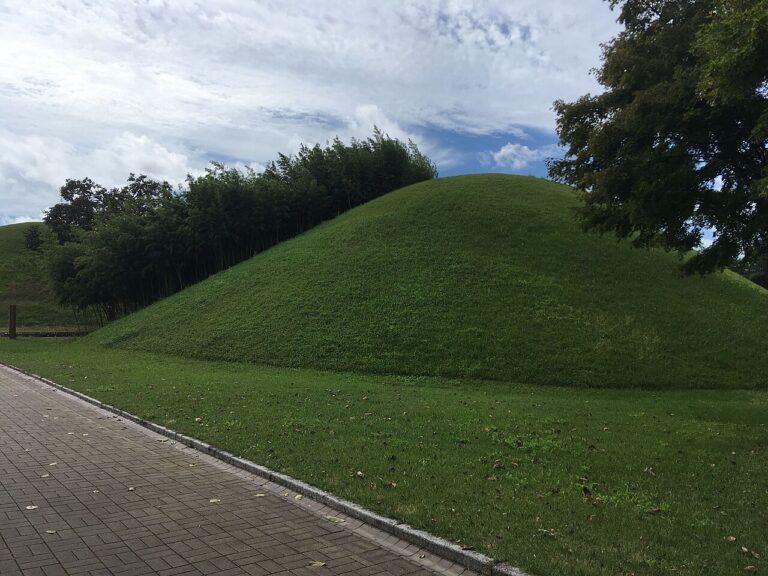
For another heritage visit built around a manageable pace, read our Gyeongju story. At Hanuman Dhoka, one well-understood courtyard and a few remembered details can make a more satisfying introduction than a hurried inventory of entrances.
Sources and photograph
Checked 27 October 2026: Nepal Tourism Board’s Kathmandu Durbar Square information; Hanumandhoka Durbar Museum Development Committee’s ticket page; current FCDO Nepal advice; Met Office forecast and Kathmandu Metropolitan City air-quality resources. Heritage descriptions are not same-day access notices. No fixed international entrance price, festival opening or Kumari appearance is promised.
Featured photograph: Chainwit., carved panels at Hanuman Dhoka, Lohan Chowk, Kathmandu, 28 January 2023, via Wikimedia Commons, CC BY-SA 4.0. Resized for this site; responsive display may crop the image. Adapted image versions remain under the same licence. Archival photograph, not evidence of today’s access, weather or restoration arrangements.