Iloilo City can be a destination in its own right, not simply the night before an island transfer. Give it a food stop, one heritage district and—if conditions allow—a short outdoor pause. You do not need a ferry departure to make the day feel complete.
The practical challenge is choosing between places that sit in different parts of the city. A list that includes La Paz, the old commercial centre, Molo and the river can look compact on a travel page while concealing several transfers. Choose a small combination, then leave the rest for another day.
Check the weather before choosing the walk
Use fresh PAGASA forecasts and local alerts. The national forecast issued at 4am Philippine time on 13 October 2026 lists Western Visayas among areas expecting cloudy skies with scattered rain and thunderstorms, with possible flash floods or landslides during moderate to heavy rain. That is a dated regional forecast, not a prediction for every later visit or every city street.
At the check, PAGASA’s bulletin page showed no active tropical cyclone inside the Philippine Area of Responsibility, while the daily forecast described a tropical depression outside it. Those statements are not an all-clear for outdoor sightseeing. Rain, thunder and local flooding can still change a city day, and cyclone information needs checking again before travel.
- Suitable conditions: add a short walk near your chosen cultural stop.
- Rain developing: shorten the outdoor section and go to a confirmed indoor venue.
- Thunder, flooding or an official warning: pause sightseeing, follow local instructions and reassess transfers. Do not walk through floodwater to complete the route.
- A ferry is part of a separate travel day: check its operator and current marine information; this city plan makes no sailing promise.
Let one meal introduce Ilonggo food
The Philippine Information Agency’s account of Iloilo’s gastronomy highlights La Paz batchoy, pancit Molo and KBL among local dishes. Choose the one you want to understand rather than trying to fit every name into a single lunch.
Batchoy and pancit Molo are different soups, not interchangeable names. The agency describes batchoy with noodles, pork ingredients and cracklings, and pancit Molo with filled wrappers in broth; recipes and toppings vary between kitchens. Ask what is in the version in front of you, especially if meat, shellfish or another ingredient matters to your diet.
For a La Paz food stop, confirm the actual shop or counter, its location and that day’s trading arrangements. A famous market association does not establish which stalls are operating now. Check the portion, price and payment method, and pick somewhere you can comfortably sit. If rain or access makes the intended stop unsuitable, choose a confirmed alternative rather than treating one address as compulsory.
Choose the commercial centre or Molo
For trade and city history, consider the area around Calle Real/JM Basa Street. The National Historical Commission’s registry identifies the former Ynchausti trading house there as the Museum of Philippine Economic History. That gives the district a useful historical thread, but the registry is not a live opening-hours notice.
Contact the museum about its current visitor arrangements before making it your indoor anchor. Confirm the entrance, hours, gallery access and any needs involving steps. If it is closed, choose a different confirmed interior or a shorter public-street visit when conditions permit; do not claim to have seen a collection from its façade.
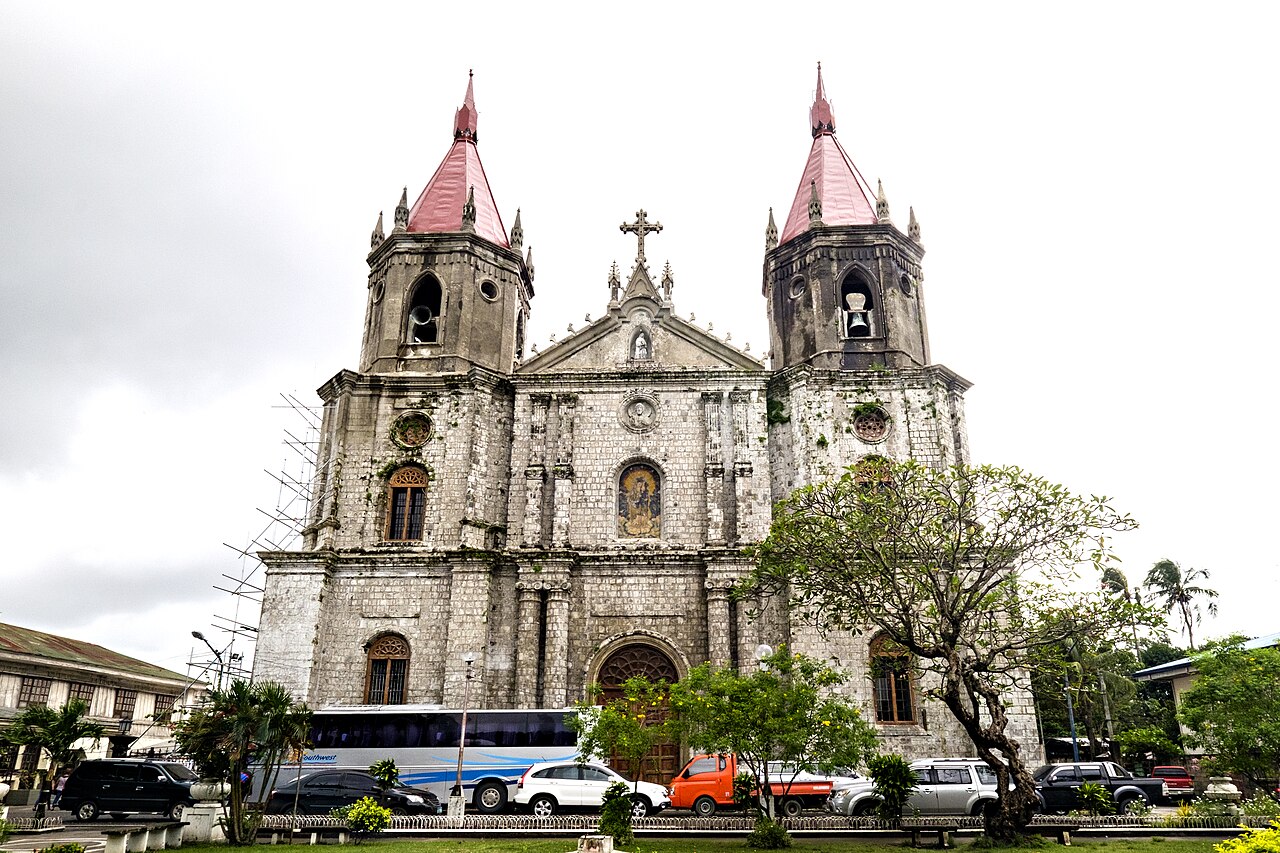
Molo offers a different focus, with its church as a heritage landmark. Treat it as a separate district, not the next doorway on the Calle Real walk. At the church, confirm visitor access and service times, dress respectfully and follow photography instructions. A parish building remains a place of worship; tourist interest does not make every space continuously available.
Choose Molo instead of the commercial-centre stop if that better matches your interests. If you want both, plan an actual vehicle connection and reduce something else. Do not add another heritage house simply because it is nearby on a destination list: private or commercial interiors have their own visiting arrangements.
Keep the river an optional final chapter
A short esplanade pause can finish the city visit when the weather and local access are suitable. Choose a specific entry and exit point on a current map and ask about conditions rather than treating the entire riverfront as one guaranteed route. There is no need to cover every section to enjoy a quieter interval.
Drop this chapter first if rain is persistent, thunder develops or access is restricted. An exposed riverside walk is not a rain shelter. A meal and a substantial heritage visit already make a useful day; you do not owe the itinerary a sunset photograph.
Make transfers part of the plan
Save your accommodation address and use specific pickup points. Agree a fare or check the booking details before setting off. La Paz, Molo, the commercial centre and your hotel are not one location; the route should fit your starting point, energy and the conditions you actually encounter. This guide does not promise journey times, taxi prices or a step-free connection.
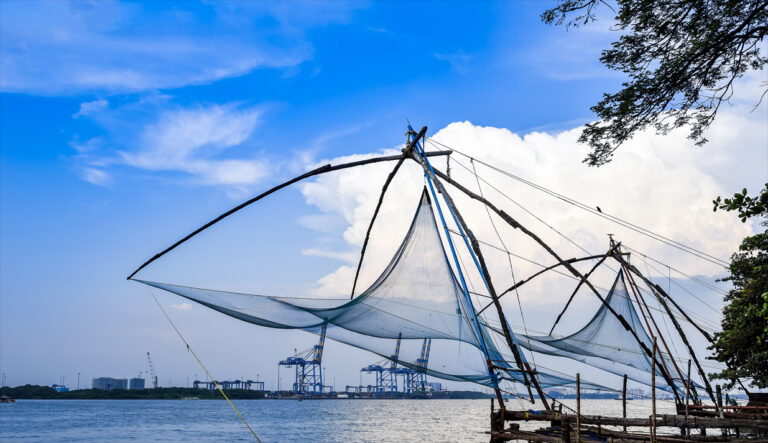
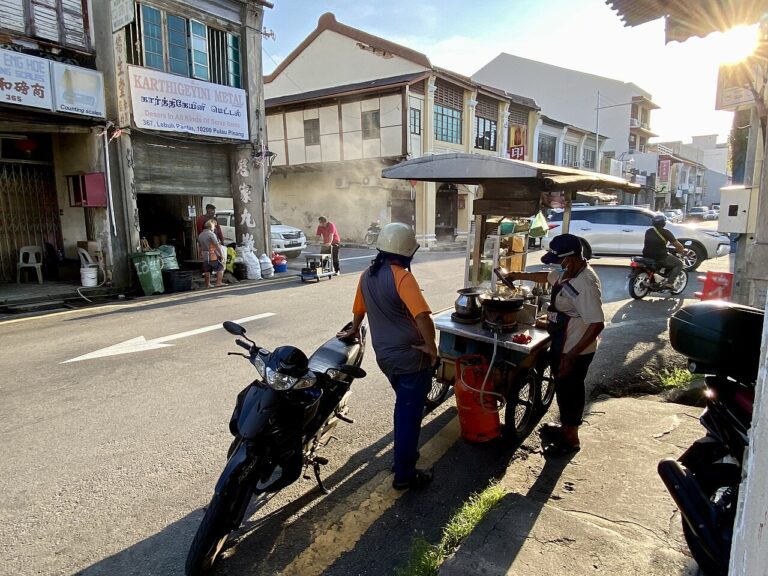
For another city visit built around appetite and a deliberate neighbourhood choice, see our George Town food day. Our Fort Kochi and Mattancherry itinerary also separates districts instead of compressing them into an imaginary continuous walk.
Sources and photograph
Checked 13 October 2026: Philippine Information Agency: Iloilo gastronomy; NHCP: former trading house and economic-history museum; NHCP landmark registry, including Molo Church; PAGASA daily forecast and cyclone bulletins. Forecast details above refer to the dated issue, not all future trips. Recheck local warnings and venue access.
Featured photograph: Molo Church, photographed 13 October 2017 by FroyR, via Wikimedia Commons, CC BY-SA 4.0. Archival view, not today’s weather or visitor access; Commons resizing and responsive cropping for display. Any adapted image remains under the same licence.

.jpg)