Paris hotel searches become easier when you stop comparing the whole city at once. The arrondissement number tells you roughly where a property sits, but the daily experience comes from the neighbourhood: the station you return through, the streets around dinner and the transfers required for the places you most want to see. Choose that base first, then compare rooms.
Begin with the trip you are actually taking
Mark three fixed points on a map: your arrival station or airport connection, the attraction that matters most and the area where you expect to spend your evenings. A hotel that is €20 cheaper can be poor value if it adds two awkward changes every morning and a long ride after dinner.
- Short first visit: favour central access and simple connections.
- Food and nightlife: prioritise a walkable evening district over postcard views.
- Family trip: look for calmer streets, parks and a direct line to your main sights.
- Rail stopover: staying near the correct station may beat crossing Paris with luggage.
- Longer stay: a residential district with markets and everyday services can feel more liveable.
The useful test: imagine returning at 10pm in the rain. The best neighbourhood is the one where the final part of that journey still feels straightforward.
Central Paris: convenience at a price
The 1st arrondissement around the Louvre and Châtelet offers exceptional walking access and strong transport links. Paris je t’aime describes it as ideal for a short first stay, but its accommodation is largely at the higher end. Nearby parts of the 2nd, 3rd and 4th add the Marais, Notre-Dame and a denser mix of historic streets, shops and evening activity.
Choose this zone when time matters more than room size. Check street noise, late-night activity and whether the room faces a courtyard. “Central” does not guarantee a quiet sleep.
Left Bank: familiar Paris with different rhythms
The Latin Quarter in the 5th works well for travellers who want historic streets, universities and easy walks towards the Seine. Saint-Germain-des-Prés in the 6th is polished and central, usually with prices to match. The 14th around Montparnasse and Alésia can offer a more residential base with useful rail connections and less pressure to stay beside every monument.
For a Left Bank booking, examine the exact metro line rather than the distance to the river. A well-connected address farther south can be easier than a romantic lane that demands several changes.
Right Bank east: evenings close to home
The 9th, 10th and 11th suit travellers who value restaurants, cafés and lively neighbourhood streets. The 9th places the Opéra and Grands Boulevards within reach. The 10th works especially well for Gare du Nord or Gare de l’Est arrivals, while Canal Saint-Martin gives the area a distinct local focus. Bastille and République in the 11th put nightlife and a broad spread of metro lines nearby.
These districts change block by block. Read recent reviews for street noise and the immediate walk from the station, then inspect the map at the hour you expect to return.
West and residential districts: space and calm
The 15th is a practical choice for families, longer stays and travellers who prefer quieter evenings. The 16th around Trocadéro and Auteuil is calm and elegant, though some journeys to the lively eastern districts are longer. The 17th around Batignolles balances residential streets with restaurants and links towards the centre.
Do not dismiss an outer arrondissement merely because the number is high. A hotel beside a direct metro line may outperform a more central property reached through a slow or inconvenient transfer.
Montmartre, Belleville and La Villette
Montmartre in the 18th offers atmosphere and views, but slopes, stairs and crowded approaches matter when you carry luggage. Belleville in the 20th is rewarding for food and a more contemporary neighbourhood feel. The 19th around La Villette and Buttes-Chaumont provides parks, culture and room to breathe, with longer rides to some headline sights.
Check the precise address: district names are often used generously in hotel listings. Measure the walk to the actual station entrance and look at the final uphill section.
Five checks before booking
- Confirm the nearest station, line and any closure affecting your dates.
- Read room dimensions, lift access and air-conditioning details rather than relying on photographs.
- Check whether breakfast, city tax and cancellation are included in the displayed total.
- Look for recent comments about noise, renovation and the immediate street.
- Compare the direct journey to your first morning plan and your last departure point.
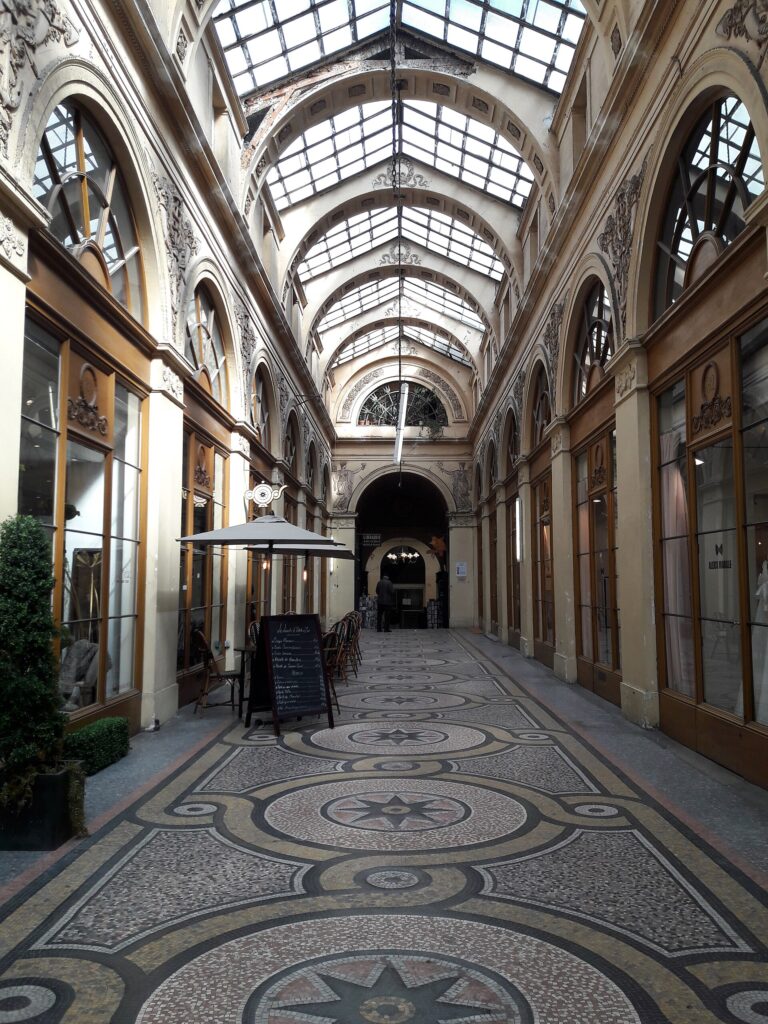
Pair this guide with a weekend in Paris, one neighbourhood at a time, keep the covered-passage walk for wet weather, or browse the Paris destination collection.
Planning sources
Neighbourhood character, accommodation patterns and transport access were checked against the official Paris je t’aime accommodation guide, updated 26 August 2026. Always verify live transport work and hotel terms for your dates. Photograph: Unsplash; licensed source details are held in the Travel2Travel media record.