The cheapest museum day is not necessarily the one with the most admissions squeezed into it. A free collection you genuinely want to explore can be more rewarding than a discounted timetable built around rushing across Paris.
Begin with your interests, then separate three questions: what does the collection cost, does your visit need a booking, and how much time will the journey and visit consume? “Free” answers only the first of those questions.
Start with a specific free collection
At Musée Carnavalet, individual visitors can enter the permanent collections free without booking. Temporary exhibitions are a separate, paid proposition with their own booking guidance. The museum’s practical information also distinguishes group arrangements from individual visits.
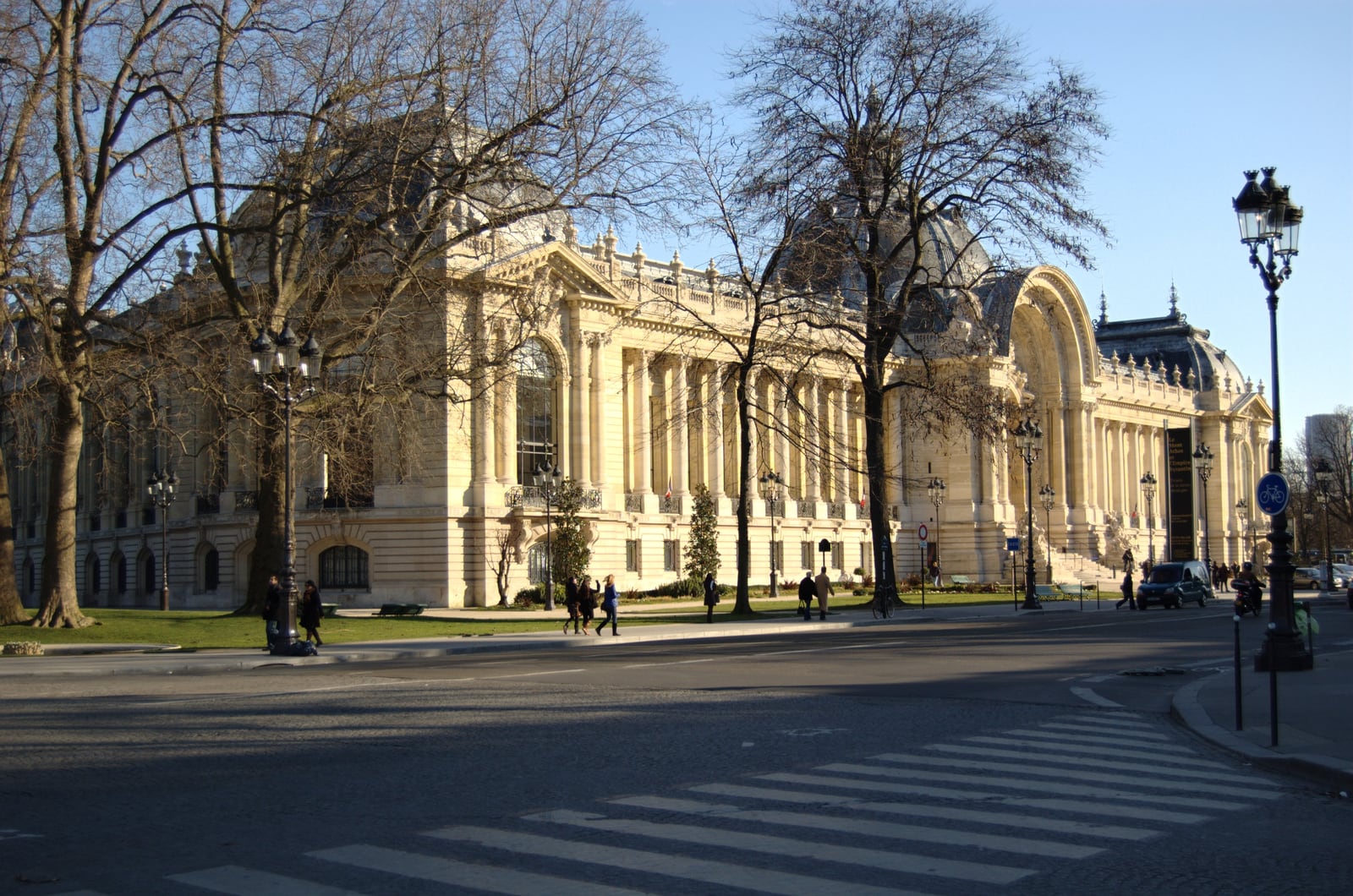
Petit Palais likewise offers free access to its permanent collections without a reservation, while temporary exhibitions have separate ticketing. Check its official visit information for the programme and access details.
These are useful starting points for different interests: choose city history or an art collection because it appeals, not because the word free appears twice. Do not extend either policy into a claim that every Paris museum, every exhibition or every municipal site is free. The Paris Musées visitor overview identifies exceptions within its own network.
Check the day before designing the route
Both Carnavalet and Petit Palais normally open Tuesday to Sunday and close on Mondays. Consult each museum’s current calendar for holiday exceptions and temporary changes. Last admission and room-closing times matter too: arriving shortly before the building closes does not give you a normal-length visit.
Build the day around one substantial museum rather than two closing-time races. A second stop can be an option, not a requirement. Put the travel time between them into the plan before deciding whether a paid slot fits comfortably.
Check baggage rules if this is an arrival or departure day. Both museums prohibit luggage; a promise of lockers is not a substitute for reading what those lockers can accommodate. Arrange suitable storage separately if needed, and do not make an unverified bag-drop assumption part of a timed booking.
Make the paid highlight earn its place
If the Louvre is the main reason for your museum day, budget for it directly. Its admission page lists rates introduced on 14 January 2026: €22 for eligible EEA citizens or residents, and €32 for visitors who are neither EEA citizens nor residents. Check the definitions, eligibility and required evidence on the Louvre’s official admission page, rather than relying on a nationality assumption or an older guide.
Free admission exists for specified groups, including visitors under 18. Other exemptions depend on age, status or residence. Even when admission is free, the Louvre recommends reserving a timed entry. Eligibility does not guarantee immediate admission without a slot.
The museum also lists free entry after 18:00 on the first Friday of the month, except July and August. That is not an every-Friday offer. Use the official calendar and ticketing route for the date you actually intend to visit.
Compare a pass with the visits you will keep
Write down a short, realistic list of paid attractions. Check the current standalone prices, the pass’s actual coverage and any reservations still required. Compare that list with the relevant pass period—not with an ambitious list of places you might visit if nothing slows you down.
Do not count a free permanent collection as a saving created by a pass. Equally, do not assume a special exhibition is included because the building is listed. A pass can suit a dense paid-attraction itinerary, but it does not create extra hours or remove the need to check entry conditions.
Protect the visit, not just the ticket budget
Planning note
Pick one museum anchor, confirm its access conditions, and keep the rest of the day flexible. A reserved admission time is a planning tool, not a reason to skip a proper break.
Leave time for security and entry procedures, following the museum’s own arrival instructions. Once inside, a focused selection of rooms is a legitimate visit, not a failure to complete the whole building.
Your base matters as well. Our Paris neighbourhood guide helps connect museum plans with the place you will return to. Saving a ticket charge is useful; spending the entire saving on an awkward cross-city schedule is much less satisfying.
Planning sources checked 18 September 2026. Recheck current access, prices and booking conditions for your travel dates.
Featured photograph: Petit Palais, Paris, photographed in 2009 by KoS, via Wikimedia Commons, CC BY-SA 3.0. Resized and compressed; display crops may apply.