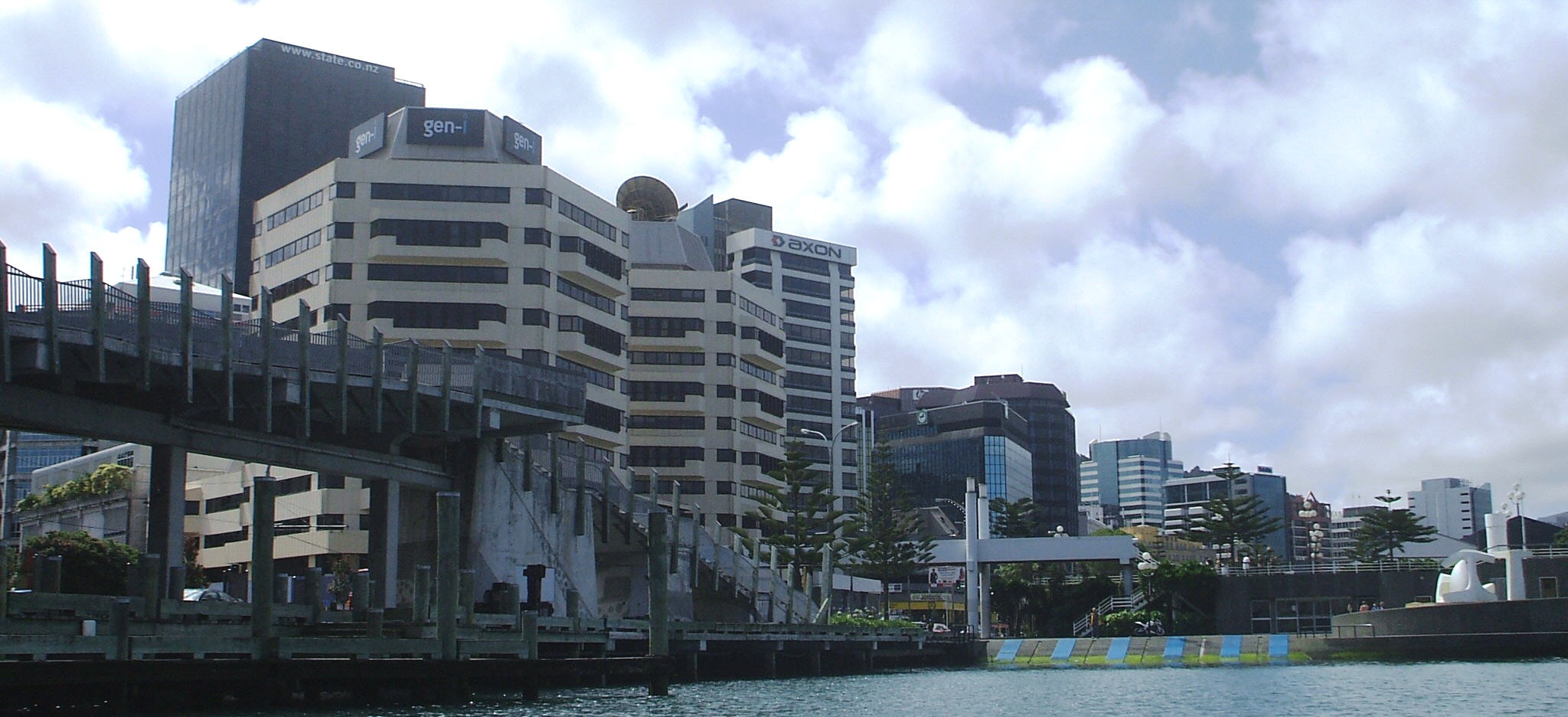
Wellington’s waterfront works best when it is more than the space between attractions. Give it a city day of its own: harbour history, public art, one museum and a pause long enough to notice the water. Keep the route compact, and let spring conditions decide how much of it happens outside.
This plan stays around the central waterfront rather than adding a distant excursion. There is no need to squeeze in a cable-car ride, a hill walk and another neighbourhood to make the day count. A short stretch explored thoughtfully can be more satisfying than a long circuit completed against the wind.
Start at Queens Wharf with the harbour in mind
Begin around Queens Wharf and look at the relationship between the water, wharf buildings and city streets. Wellington Museum occupies the 1892 Bond Store, a former bonded cargo warehouse at 3 Jervois Quay. Before entering, use the building as a clue: this waterfront was a place of work and trade, not simply a promenade.
Choose a direction for a short outdoor look before the museum. You could explore towards Kumutoto to the north, or save a southward waterfront stretch for later. You do not need to do both. Follow the open pedestrian route, respect barriers and check current signs rather than assuming every link shown on an older map remains available.
Bring a layer that suits the day’s forecast and keep loose belongings secured. Spring is a reason to enjoy time outside when conditions allow, not a promise of calm weather. If the exposed waterfront already feels uncomfortable, make the museum the first chapter instead.
Give Wellington Museum the main indoor chapter
Make Wellington Museum the day’s one substantial museum visit. Its harbour setting and city stories help turn the morning’s buildings and water into something more than a view. Read across the maritime and local-history material rather than looking only for a single famous exhibit; leave time for Māori histories and the different communities that have shaped the city.
At the time of checking, the museum lists opening hours of 10am–5pm, seven days a week. Check its current visitor page before travelling, especially around public holidays or special events. International visitors should budget for an admission charge: do not assume that references to free general admission apply to everyone. The operator’s admission information explains the resident and international-visitor arrangements; check the current rate and eligibility before arrival.
The operator also publishes an earthquake-prone building notice following a seismic assessment and says the museum continues to welcome visitors. Read that notice and any newer access updates before deciding to visit. This guide does not independently assess the building’s safety.
If the museum is unavailable or you decide not to enter, keep the outdoor history-and-art route shorter and choose an open café for shelter. That is a different day, not a reason to replace one museum with several hurried attractions.
Look at one artwork properly
After the museum, pick one or two public artworks rather than collecting photographs of everything along the harbour. Read the artist’s name and any interpretation on site. Notice how the work uses its setting: the water behind it, the pedestrian route around it, or the changing light on its surface.
WellingtonNZ’s waterfront and street-art guides offer useful leads; the city’s Writers Walk is another way to put words beside the harbour. Treat these as invitations to look, not a checklist that must be finished. Some works or surrounding paths may be affected by maintenance, construction or events, so current signs take precedence over an online route.
Give other people room to pass while you stop. A sculpture is not automatically a climbing frame, and a good photograph is not a reason to block a walkway or cross a barrier. The most memorable encounter may be the piece you spend five quiet minutes with.
Keep the afternoon loose around the water
If conditions remain pleasant, continue a short distance towards the lagoon and waterfront spaces near Frank Kitts Park. Look for an available place to pause rather than assuming a particular seat or park entrance will be accessible. Watch how the city meets the harbour, then decide whether you want another short walk or simply a drink and a rest.
Buy lunch where the menu and seating suit you; check what is included and whether outdoor seating is comfortable that day. This is deliberately not a restaurant ranking. Keeping the meal close to the route avoids spending the middle of the day travelling away from the waterfront you came to explore.
Let wind change the sequence, not spoil the day
- Comfortable outside: short harbour walk, museum, lunch, then art and a relaxed waterfront pause.
- Wet or blustery: museum first, an indoor meal, then a brief outdoor section only if conditions improve.
- Outdoor conditions deteriorating: end the harbour walk early. Do not add an exposed hill or a distant outing just to fill the afternoon.
The useful decision is not how far you have walked but whether the next stretch still adds to the experience. Our wind-aware Hobart plan uses the same principle of keeping a city alternative available. Here, staying close to Wellington’s central waterfront makes the adjustment particularly straightforward.
Sources and photograph
Checked 6 October 2026: Wellington Museum visitor information, its admission arrangements and seismic-assessment notice; WellingtonNZ’s museum guide and street-art guide; and the council’s waterfront overview. Route and pacing are editorial suggestions; opening hours, admission and access may change.
Featured photograph: Wellington Skyline from Frank Kitts Park by Frozen-Coke-Rocks, via Wikimedia Commons; released into the public domain by its creator. Archive image uploaded in 2007; capture date is not specified. It illustrates the waterfront, not today’s building signage or park access.

