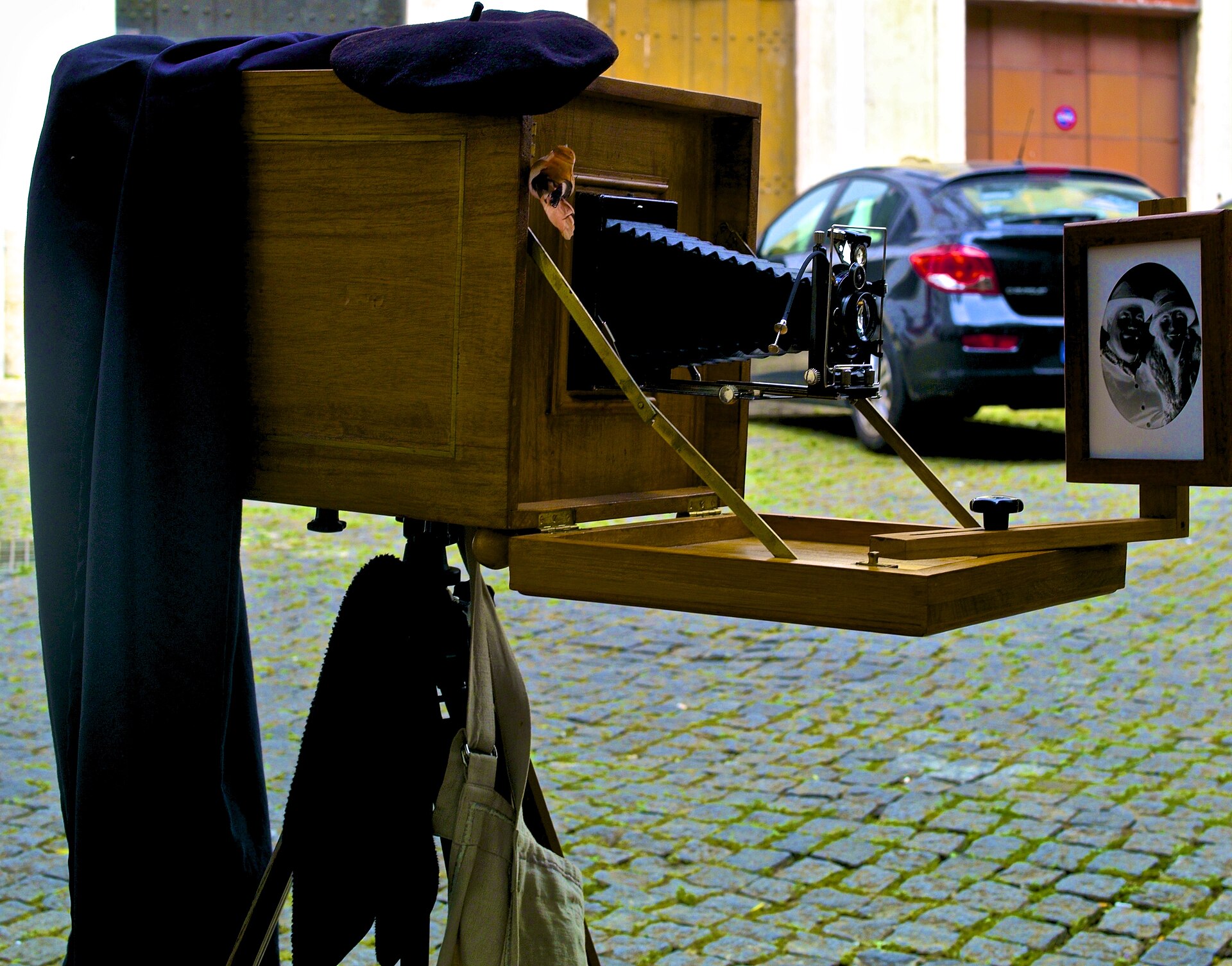
A camera can turn curiosity into a keepsake—or turn someone else’s ordinary day into a performance they never agreed to give. Responsible travel photography begins before the shutter: notice the setting, ask where needed, and accept that the best decision is sometimes to leave the photograph untaken.
Consent is more than a quick nod
Ask before making a person the clear subject of a photograph, especially at close range, at work, in a place of worship or in a vulnerable moment. A smile and a gesture toward the camera can open the conversation when language is limited, but hesitation, a turned face or a raised hand means no. Japan’s national tourism organisation advises asking permission before photographing individuals and following negative reactions immediately.
Permission to take a photograph is not automatically permission to publish it widely or use it commercially. If the image will appear in a campaign, article or portfolio, be explicit about that purpose and follow the applicable local rules.
Sacred places set their own boundaries
Read signs before raising the camera and follow staff or community guidance even when other visitors do not. At Uluṟu-Kata Tjuṯa National Park, some sites are culturally sensitive and sacred to Aṉangu; Parks Australia identifies no-photography areas on signs, maps and the park website. Japan’s official visitor guidance likewise notes that some shrine and temple areas prohibit photography.
THE SIMPLE TEST
If taking the picture interrupts worship, work, traffic or someone’s privacy, step back. If a rule or request says no, put the camera away without negotiation.
Remember that neighbourhoods are lived in
A lane, market or doorway may look like a ready-made set, but it is also someone’s route home, workplace or front step. Keep entrances clear, avoid photographing through windows, do not stage people without agreement and lower your voice. A long lens does not remove the need for judgment; it can make observation feel more intrusive.
Our guides to Morocco’s medinas and Kyoto food-market etiquette both return to the same principle: do not let the act of documenting a place obstruct the people who make it worth visiting.
Five habits for better photographs
- Look for signs and local guidance before taking out the camera.
- Ask people before making them the subject, and show the image if appropriate.
- Step aside before composing; never block a doorway, platform or procession.
- Avoid geotagging fragile or restricted places when publicity could cause harm.
- Leave room in the trip to observe without documenting everything.
Responsible practice rarely makes a photograph weaker. It often makes the encounter better—and helps you notice the detail that a hurried shot would have missed.
Sources: Japan National Tourism Organization: responsible photography; JNTO visitor FAQ; Parks Australia: photography at Uluṟu-Kata Tjuṯa; Te Ara: basic marae etiquette.
Photo: A street photographer in Alfama, Lisbon. Pedro Ribeiro Simões, 2015, via Wikimedia Commons, CC BY 2.0. Resized/compressed; theme crops may apply. Illustrative archive image.
.jpg)