An Okavango trip should be compared by water, access and operator detail—not by a guaranteed list of animals. The delta is a changing system, camps work in different landscapes, and the same travel dates can produce different activities from one year or area to another. A careful plan therefore explains the transfer chain, the seasonal trade-offs and what happens when conditions change.
Begin with the map, not a species list
Botswana Tourism Organisation describes three broad parts of the Okavango: the Panhandle, the central Delta and the surrounding drylands. That distinction matters. A camp reached by boat in one part of the system can offer a very different day from a dryland camp using vehicles, even when both use “Okavango” in their name.
Ask every property or operator to place the camp on a map and name the activities normally available there at your dates. “In the delta” is not precise enough for comparing two itineraries.
Season is water, rain and food—not one slogan
Botswana Tourism Organisation presents Botswana as a year-round destination but separates the dry and green seasons for good reason. Local rainfall and the annual flood are not the same event. Water arriving through the system can peak after the rains that fell farther north, and timing varies between years.
Use seasonal descriptions as patterns, not promises. Ask what usually operates at that camp in that month, what ran during the same period last year, and which activities can be replaced if water levels or weather differ. Official tourism guidance also notes that game viewing depends on the time of year, water and food availability. No responsible seller can guarantee a particular species or sighting.
A good itinerary explains what happens when water, weather or an aircraft transfer changes; it does not turn wildlife into a reservation.
Write out the entire transfer chain
Maun is the principal gateway for many Okavango itineraries. From there, a trip may use a light aircraft, road vehicle, boat or a combination. Put every handoff on one line before paying:
- arrival flight and minimum connection time;
- who meets you, where and with what contact number;
- light-aircraft, road or boat sectors, including approximate duration;
- the contingency if the first flight is late;
- the luggage limit and bag type for each sector;
- the final transfer from the airstrip or jetty to camp.
Botswana Tourism Organisation warns that light-aircraft transfers commonly use soft-luggage restrictions. Do not copy a generic allowance into your plan: the exact weight, size and hand-luggage rule is operator-specific and can change with aircraft and routing. Ask for the limit in writing for your booking.
Check who is licensed to do what
Botswana’s government licenses different kinds of tourism enterprises. Its published categories include mobile safari operations in protected areas and mokoro activities. Ask for the legal trading name of the company that will operate each activity, the relevant current Botswana licence and who is responsible when a subcontractor is used.
A logo or overseas sales office is not the same as the local operating entity. If a seller avoids naming the operator, cannot explain the licence category or will not identify who handles an emergency, pause before paying a deposit.
Compare camps by activities and constraints
A mokoro ride is a quiet, shallow-water experience rather than a substitute for every other activity. Botswana Tourism Organisation notes that fibreglass mokoro are now commonly used as a conservation measure. Boat trips, walking, game drives and mokoro excursions all depend on the camp, area, conditions and the guest’s suitability.
For each camp, request a simple table: activities normally offered at your dates, minimum ages or mobility limits, number of guests per vehicle or guide, and the fallback when an activity cannot operate. Descriptive words such as “exclusive” and “remote” tell you far less than this table.
Questions to ask before the deposit
- What is the local operator’s legal name and current licence?
- Which transfers are included, and who owns each handoff?
- What luggage rule applies to every aircraft sector?
- Which activities are typical at this camp in this month?
- What changes when water is too high, too low or weather delays flying?
- What medical, dietary and mobility information must be provided in advance?
- How are conservation, community and park fees shown on the invoice?
- What do the cancellation and delay terms cover—and exclude?
Add a buffer in Maun
When international or regional travel connects directly into a small-aircraft sector, one disruption can spread through the whole itinerary. Consider a night in Maun before or after the delta if the connection is tight, the journey is long or the ticketing is split. The buffer is especially useful before a fixed onward flight.
Download the operator’s emergency contacts, keep essential medication in the permitted hand luggage and carry copies of insurance details offline. Like our Pokhara pre-trek buffer plan, this is not dead time; it protects the experience you travelled for.
What a responsible promise sounds like
A strong operator can describe likely conditions, explain why two camps complement each other and name the backup for a disrupted transfer. It will not promise a lion at a particular waterhole or claim that one calendar week always produces the same flood level. Choose the itinerary that makes uncertainty manageable rather than the one that hides it.
Planning sources: Botswana Tourism Organisation: Okavango Delta; Botswana Tourism Organisation: time to visit; Botswana Tourism Organisation: getting there; Botswana Tourism Organisation: Maun; Botswana Tourism Organisation: mokoro rides; and Government of Botswana: tourist enterprise licence categories. Checked 27 September 2026.
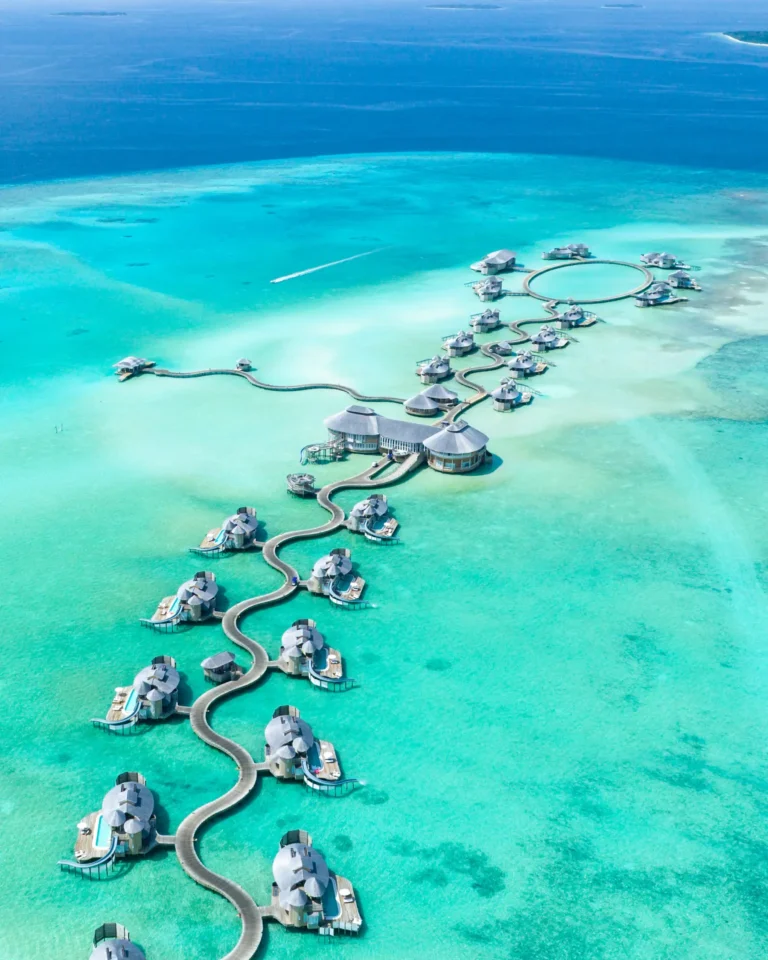
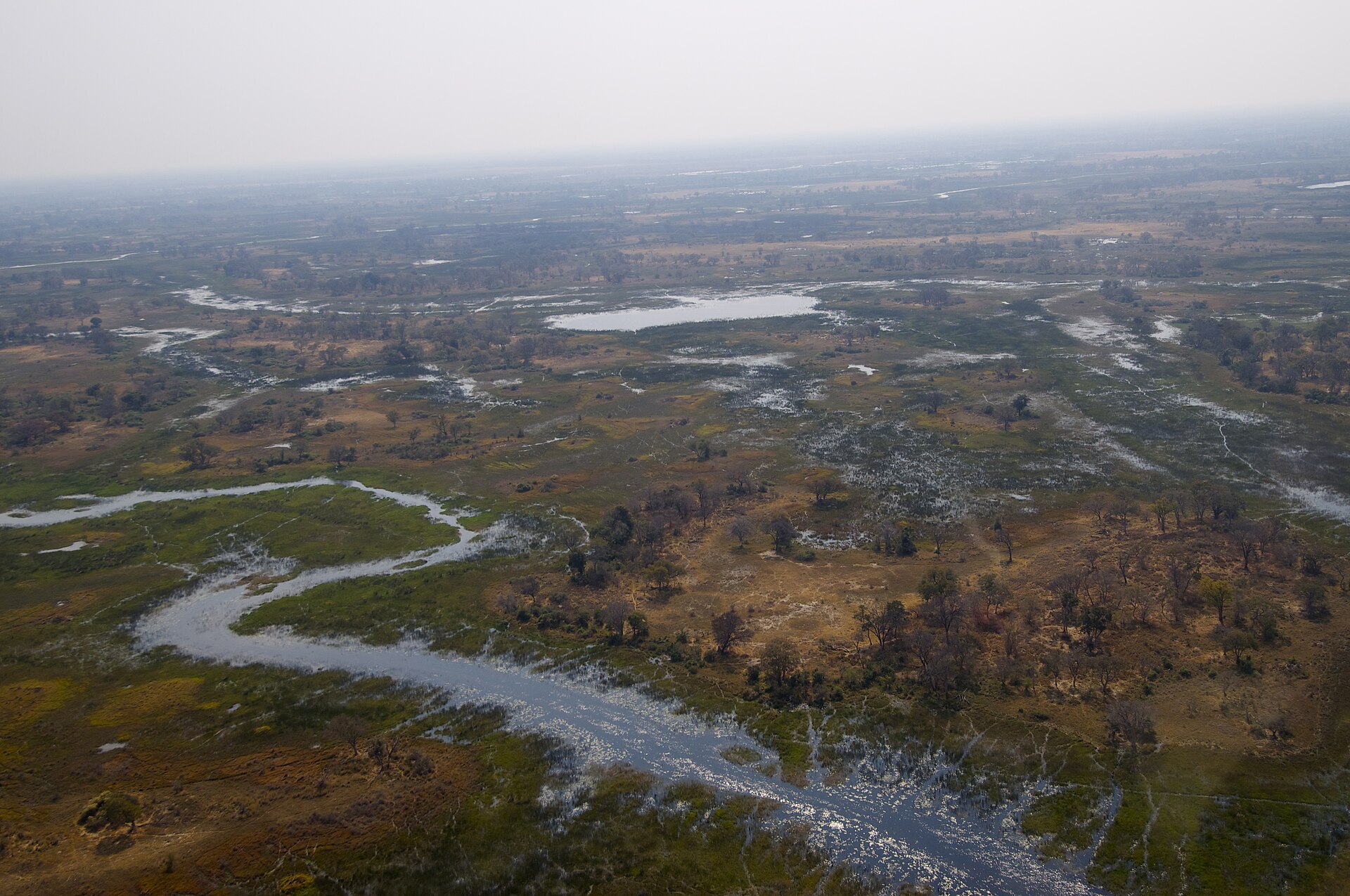
Featured image: aerial view of the Okavango Delta, photographed by DoctorJoeE. Licensed CC BY-SA 4.0 via Wikimedia Commons; Wikimedia-rendered resize, no editorial crop.