Luang Prabang rewards restraint. Its peninsula is small, but the temples, markets and morning alms tradition are not a stage set. A good day here begins by deciding how you will behave, not how many sights you will collect. Observe from a respectful distance, choose one living temple to understand properly, and leave enough space for the Mekong and Nam Khan to set the afternoon’s pace.
First decision: observe or make an offering
The morning alms procession, or Sai Bat, is a religious practice. Visitors do not need to participate. If you have not prepared properly, observing quietly is the better choice.
- Stand well back from the procession—official local guidance asks observers to keep roughly five metres away.
- Stay silent, keep phones muted and never use flash.
- Do not block monks, kneel in their path or follow the procession in a vehicle.
- Cover shoulders, chest and legs.
- Never touch monks or novices; women should take particular care to avoid physical contact.
If you choose to make an offering, do it because the act has meaning to you, not because it produces a photograph. Buy fresh sticky rice locally, follow the example of Lao participants and keep the camera away. A respectful morning may leave you with no close-up image at all.
The useful rule: if your position, lens or movement changes the ceremony for the people taking part, step back.
A slow-day schedule
From March through October, Luang Prabang’s official tourism office places the alms period at approximately 5:30–6:30 a.m.; from November through February it shifts to roughly 6:00–7:00 a.m. These are guidelines rather than a performance timetable. Arrive early, choose a discreet position and be prepared for the procession to pass quickly.
- 05:15: walk quietly to your observation point
- 05:30–06:30: observe Sai Bat without moving alongside it
- After 06:30: browse the morning market behind the tourism office
- Mid-morning: visit one temple, ideally Wat Xieng Thong
- Midday: rest through the heat
- Late afternoon: walk one river edge and pause for sunset
Market time without rushing
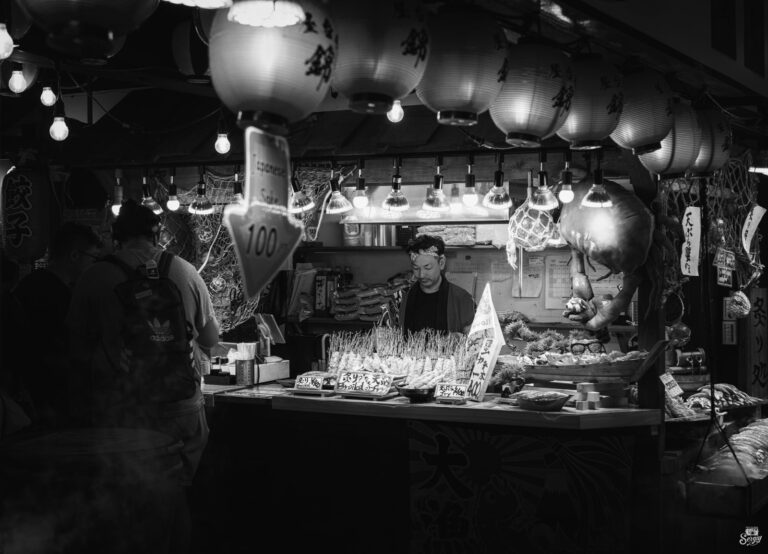
The official tourism site lists the morning market from 6:00 to 10:30 a.m. It is a practical market, not an attraction arranged for visitors. Keep out of working aisles, ask before photographing people at close range and buy something if a stallholder has spent time explaining an unfamiliar ingredient.
This is a natural breakfast window. Eat simply, hydrate, and let the town fully wake before moving toward the peninsula’s northern end.
Choose one living temple
Wat Xieng Thong is the most coherent anchor for a first visit, but it should not become one more box to tick. Notice the low-sweeping rooflines, the Red Chapel and the mosaics, then sit quietly long enough to understand the compound as a place of worship and education.
The official visitor page currently lists daily opening from 6:00 a.m. to 6:00 p.m. and a foreign visitor fee of 30,000 kip. Prices and access can change, so verify the posted information. Cover shoulders to knees, remove hats and shoes where required, avoid turning your back on the main Buddha image for a selfie, and never interrupt monks or novices.
Let the rivers organize the afternoon
UNESCO describes Luang Prabang’s historic centre as a peninsula between the Mekong and Nam Khan, where traditional Lao urban structures meet later colonial architecture. Use that geography instead of racing between landmarks.
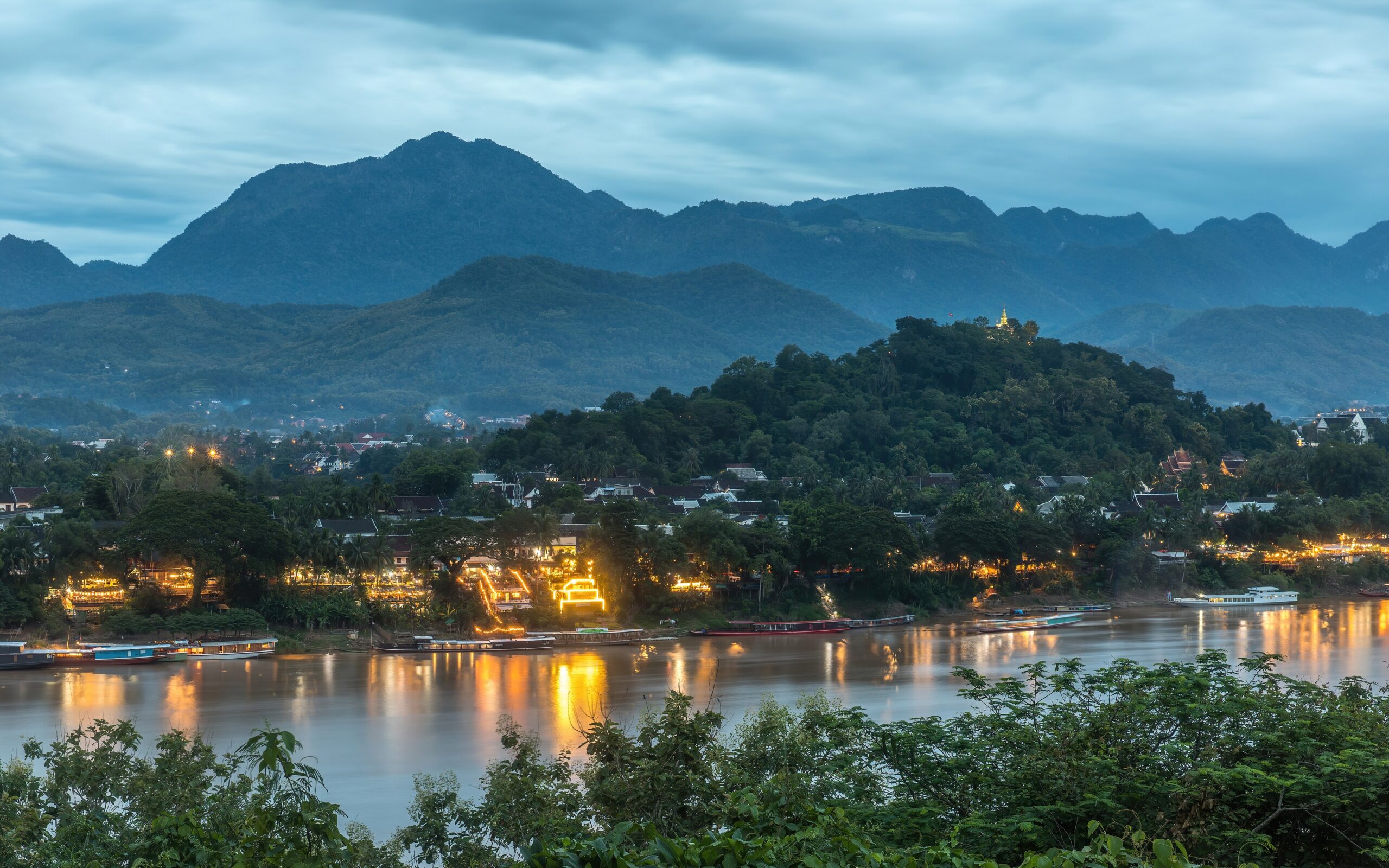
After a midday rest, choose one bank. The Mekong side offers broad views, boats and a slower commercial rhythm; the Nam Khan side feels more intimate. Walk until you find a place to sit, then stay. A riverbank sunset is often a better ending than joining a crowded scramble up Mount Phou Si.
Temple and photography etiquette
- Check signs before taking photographs; some interiors prohibit them.
- Turn off sounds and flash.
- Keep your head lower than sacred images when seated and do not point feet toward them.
- Ask before photographing monks, novices, vendors or worshippers.
- Do not pose people or repeat a ritual for the camera.
- Carry a light scarf or overshirt so respectful dress is easy in the heat.
For a wider set of principles, read our guide to consent and photography in sacred places.
Sources and image credit
Practical information checked 28 September 2026 against official Luang Prabang tourism guidance for morning alms, Wat Xieng Thong, the morning market and local do’s and don’ts, plus the UNESCO World Heritage listing. Featured image: Mount Phou Si and the Mekong bank at sunset, photographed by Basile Morin / Wikimedia Commons, licensed CC BY-SA 4.0.