Colonia del Sacramento rewards a small plan. Begin with a square and a few streets in the historic quarter, make time for one museum if it interests you, then leave room to look across the Río de la Plata. You can enjoy the town without turning its cobbles into a race between photographs.
This itinerary is for time already set aside in Colonia. Choose the length to suit your footing, the weather and your onward arrangements; the walking stages below are suggestions, not timed transfers.
First, understand the streets you are entering
Founded by the Portuguese in 1680, Colonia developed through successive periods of Portuguese and Spanish control. UNESCO highlights the combination of those building traditions with later contributions, and a street plan shaped by the site rather than a uniform grid.
Look at the scale as well as the famous façades: low buildings, tiled roofs, stretches of stone wall and the change from open squares to narrow streets. These are clues to a complicated town history. A pretty doorway alone cannot tell you who built, occupied or worked in a house; save those questions for interpretation inside a museum.
Stage one: Plaza Mayor and a short cobbled loop
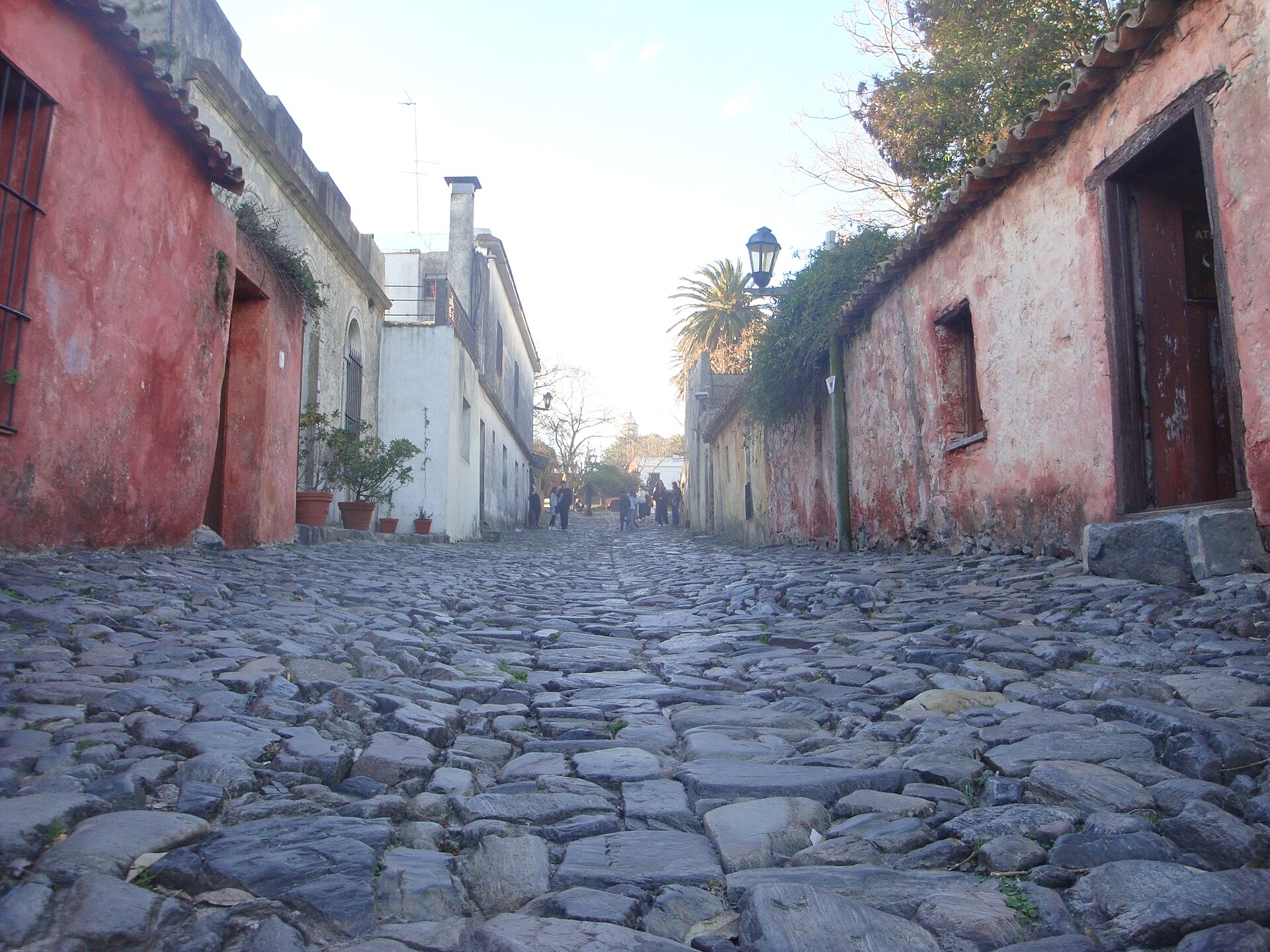
Use Plaza Mayor as an orientation point. Take a moment to locate a place for a seated break and your easiest return route before adding side streets. From there, include Calle de los Suspiros if its surface is manageable for you. Uruguay’s cultural atlas places this short street between San Pedro and Hernandarias de la Peña.
Choose a few details to follow: the meeting of roof and wall, a window surround, the stones underfoot. Avoid making every doorway a photo stop. Keep entrances clear and leave private interiors, courtyards and homes to their occupants unless access is explicitly offered.
The uneven surface is part of the practical decision. The Uruguayan UNESCO commission describes the quarter as only partly accessible and specifically notes difficulties that cobbles can present for wheelchair users. If you use a mobility aid, travel with someone who does, or are pushing a buggy, ask locally about a suitable approach rather than assuming a short distance will be an easy one.
Stage two: one museum, with the right timetable
For an indoor anchor, consider Espacio Dr. B. Rebuffo at Calle del Comercio 77. The Museo de Colonia’s own page currently lists Tuesday–Sunday opening, 11:30–16:30. Its collections introduce the local environment and community history, giving some context to the streets outside.
On our 29 October 2026 check, the operator’s visitor page listed admission at 150 Uruguayan pesos, with in-person tickets sold at Rebuffo and an online ticket option. Confirm what your ticket covers, current charges and any closure before visiting. The administration’s opening days are not a timetable for every museum space.
If Spanish-period interpretation interests you more, the operator lists Espacio Español, Calle de San José 156, Thursday–Sunday, 11:30–16:30. That makes it an option to check for a Thursday visit. Do not infer the same opening pattern for the other spaces in the museum network.
Choose one of these as your main visit, rather than trying to use every possible admission. Ask staff which display helps explain a building detail you noticed earlier. For specific access needs, the museum asks visitors to contact its administration: adaptations in some buildings do not establish that every entrance or room will suit everyone.
Stage three: lunch and a river pause
After the museum, stop for a meal or drink where the menu and seating suit you. A sheltered table can be a better use of an afternoon than another circuit of the same lanes. Confirm opening and prices at the individual business; there is no need to choose a restaurant merely because it appears in an old visitor guide.
If conditions are comfortable, finish at an open public place with a river view. Let that be a pause, rather than another activity to complete. Keep clear of unprotected edges and any closed or slippery section. In wind or rain, shorten this stage or choose an indoor seat with a view instead.
Check INUMET’s current forecast and warnings before setting out and again if conditions change. A spring date is not a guarantee of a calm riverfront. This plan does not depend on swimming, a lighthouse climb or a particular sunset.
Make the day smaller when you need to
- With a short window: choose the square, one manageable street and a seated break. Keep enough margin for your own departure arrangements.
- With uncomfortable footing: reduce the cobbled loop and ask about a practical drop-off or accessible museum approach before travelling.
- With wet or windy weather: put the confirmed museum visit first and leave the river optional.
- With more time: revisit one place that interested you, or stay longer over a meal. Adding distance is not the only way to deepen the day.
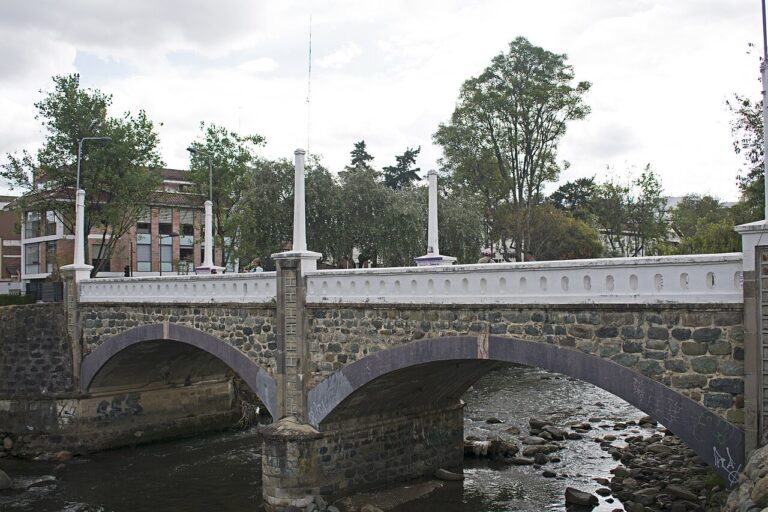
For other city visits that make room for the ground beneath your feet, read Cuenca’s historic streets and the Tomebamba and our short Utrecht canal walk.
Sources and photograph
Checked 29 October 2026: UNESCO’s Colonia heritage description; the Uruguayan UNESCO commission’s access context; the Ministry of Education and Culture’s cultural atlas for street locations; and the museum operator’s Rebuffo, Espacio Español and admission/access pages. Older guide prices and lighthouse timetables were not used. Recheck services for your date.
Featured photograph: Calle de los Suspiros, Colonia del Sacramento, Banfield, 15 August 2010, Wikimedia Commons, CC BY-SA 3.0. Archival street view; current surfaces and access may differ. Resized; responsive crops may apply. Image adaptations retain the same licence.