At the Museo Textil de Oaxaca, pick one piece and read its label before moving on. Start with the fibre, then look for the technique, place and maker. Those four details can change what you see in the cloth, and they give you better questions to ask when you browse textiles elsewhere in the city.
Begin with embroidery in the museum
The Museo Textil de Oaxaca lists free admission at Hidalgo 917, Centro, Oaxaca de Juárez. The foundation’s current exhibition listing gives Friday gallery hours of 10 a.m. to 8 p.m. and lists LABOR-ES: Un arte difícil y estimable through 3 December. The exhibition explores embroidery and other textile work in the education and culture of the Real Colegio de Vizcaínas. Check the listing again before making a special trip.
Look for one stitch or pattern that repeats. Does the label describe a woven structure, with threads crossing to form the cloth, or embroidery worked onto an existing ground? Note whether the maker is named, whether the place is known, and where the description leaves questions open. The museum’s account of its collections gives an example from San Pablo Mitla: a wedding skirt documented as hand-spun wool with natural dyes, made on a backstrap loom. Use it as an example of what good documentation can tell you.
Ask about the work before buying
If you see a textile you’d like to buy, ask the seller about that particular piece. A place name can refer to where the piece was woven, where it was embroidered or where it is sold. Give the seller time to explain the difference.
Who made it? Ask for the artisan, workshop or cooperative and the community where the work took place. How was it made? Ask what the fibre is and whether the pattern is woven, embroidered or printed. Can I keep that information? Ask for a label or receipt with whatever details the seller can document, and get care instructions for the fabric.
Keep a little time for looking again
Allow 45–60 minutes at the museum. If you want help reading a label, ask at the desk what is available that day. Ask before photographing people, and follow any gallery photography restrictions. For another look at visiting the city with care, see our guide to planning Oaxaca’s Día de Muertos season.
Sources: Museo Textil de Oaxaca visitor information and Fundación Alfredo Harp Helú Oaxaca exhibition and collection notes. Friday hours and programme checked 13 November 2026.
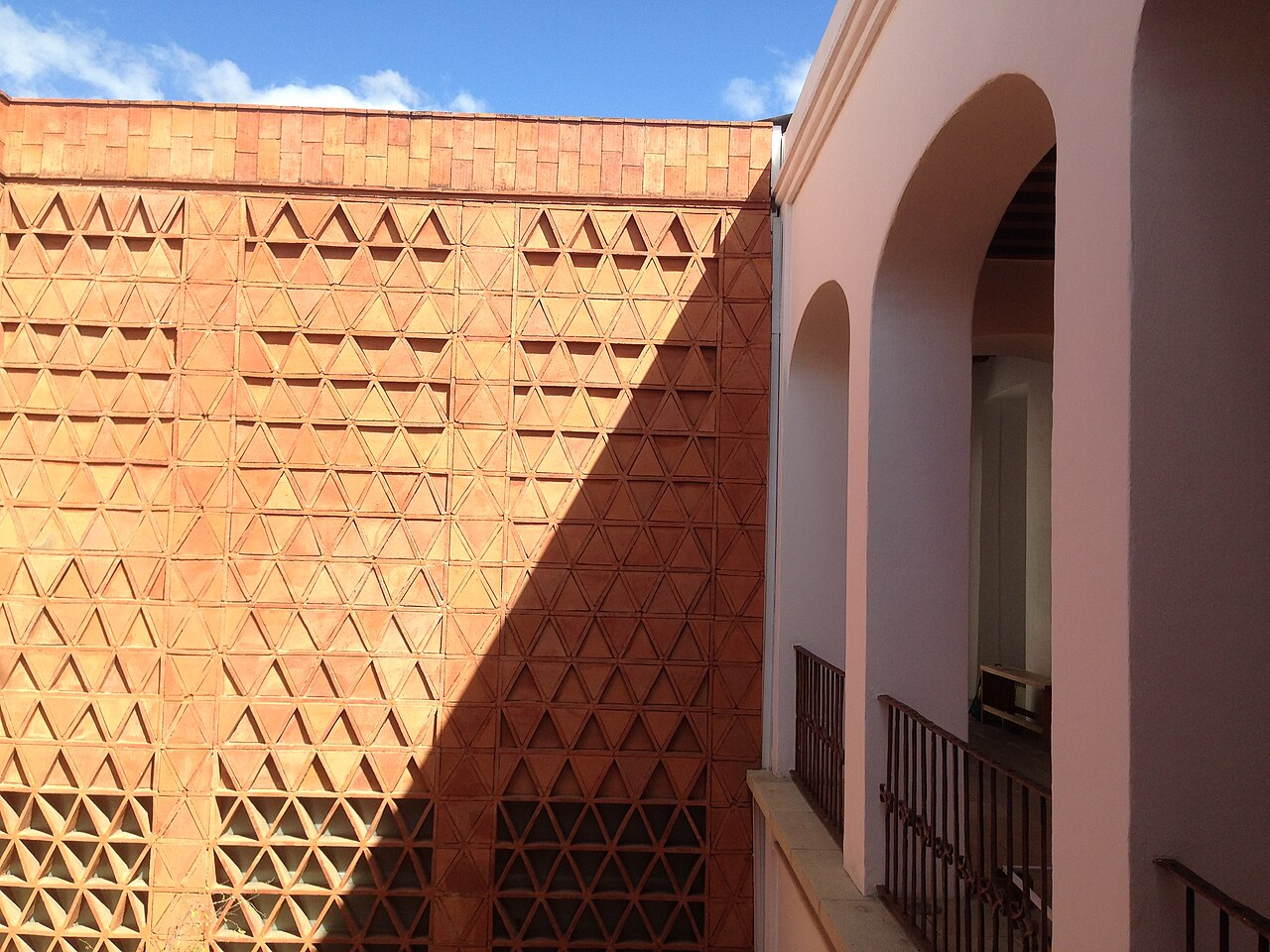
Featured photograph: Interior of Museo Textil de Oaxaca. ArribalaLuna, 7 December 2015, Wikimedia Commons, CC BY-SA 4.0. Resized for the web. Responsive display may crop the image.

📩 For travel inquiries, personalized offers, and reservations, contact us at info@travel2.travel.
Your destination. Your journey. Our expertise.