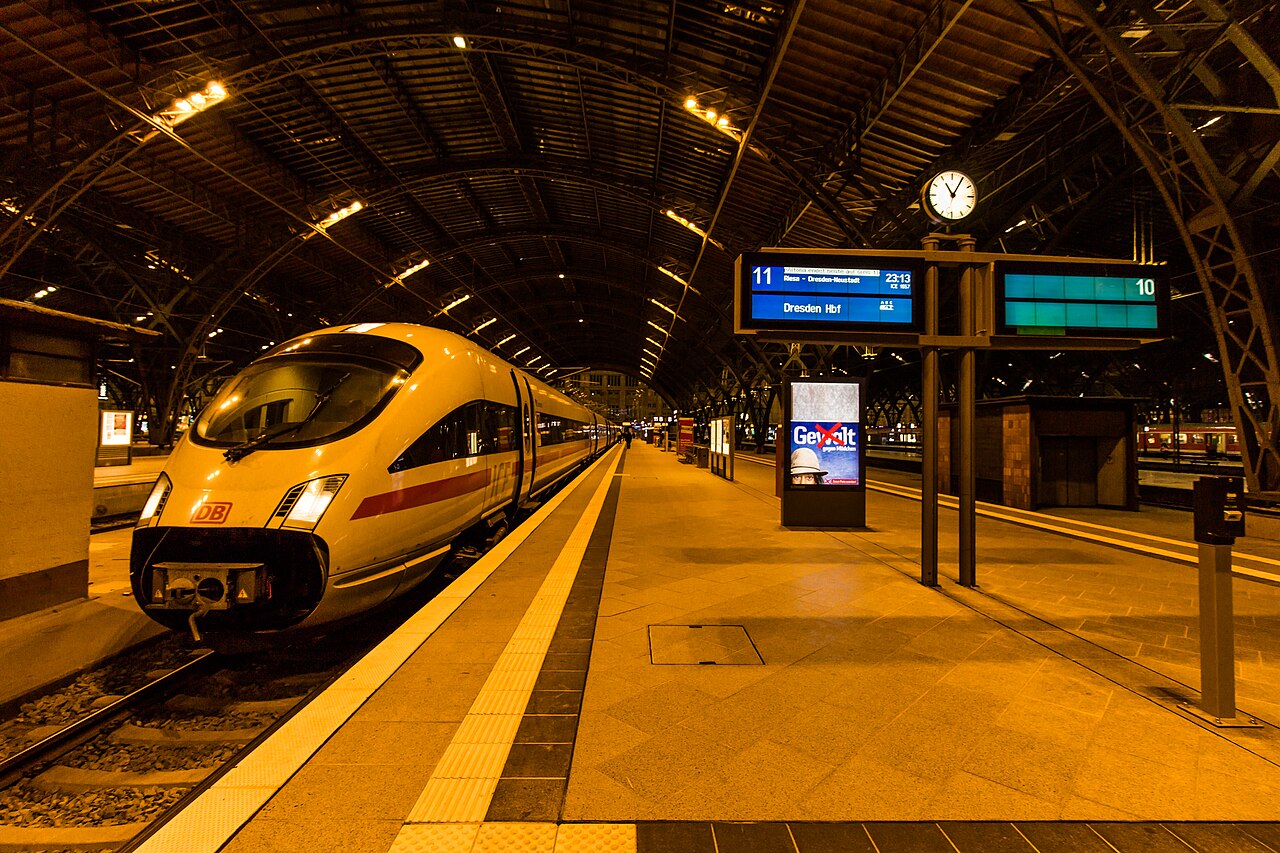
Two trains can appear in one search result and still be sold as separate journeys. Before you pay, open the fare and journey details and see how the seller describes your connection. The wording matters if the first train runs late and you can no longer take the second.
Read the fare details before paying
- Look for language that explicitly covers both legs as a through-ticket. Read any notice about separate contracts or independent tickets.
- Ask the seller in writing whether the two legs form one journey and who you should contact if a delay makes you miss the second train.
- Save the answer, fare conditions and booking confirmation where you can reach them offline.
For journeys covered by EU rail passenger rules, the European Commission’s Your Europe guide says sellers should tell you before purchase whether the itinerary is a through-ticket. It explains that eligible passengers with a through-ticket may choose rerouting or a refund if a missed connection is expected to delay arrival at their destination by at least an hour. Separate tickets can have voluntary operator arrangements or other protections. Check what applies to the specific service and fare.
Give the transfer time to work
Check whether the connection is in one station or across town. Budget for the walk, a possible platform change and any screening or boarding cutoff shown by the operator. Give yourself extra time if you have luggage, need step-free access or would miss the last train of the day.
If a delay puts the connection in doubt, contact the seller or railway staff before you buy a replacement ticket. Keep the original confirmation and any delay notice. For a practical example of checking each leg before relying on it, see our Nilgiri Mountain Railway guide.
Sources and image credit
Featured photograph by Ubahnverleih (2015), via Wikimedia Commons, CC BY 4.0. Resized for web.
📩 For travel inquiries, personalized offers, and reservations, contact us at info@travel2.travel.
Your destination. Your journey. Our expertise.