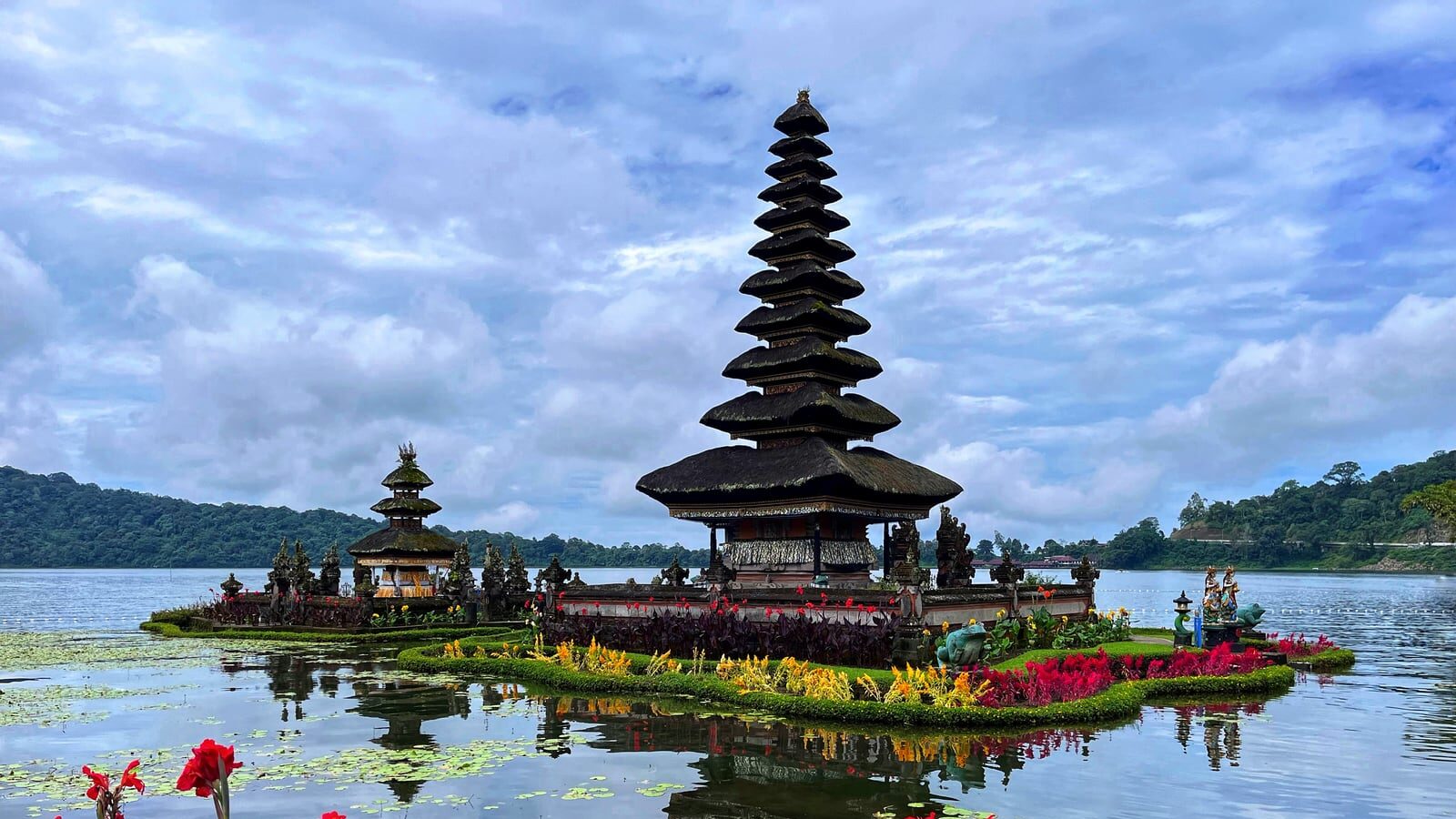
A temple visit in Bali is not simply a scenic stop between beaches. These are living places of Hindu worship, where a visitor’s freedom to look around depends on local rules and what is happening that day. Preparing a little—and accepting that some spaces are not yours to enter—makes the visit more considerate and less confusing.
Dress for the temple, not just the photograph
Indonesia’s official tourism guidance for Pura Besakih tells visitors to wear a sarong, or kamen, and sash. Its Pura Lempuyang guide likewise calls for a sarong and sash and advises against revealing clothing. Take these as a preparation baseline, then follow the requirements at the temple you actually visit.
Bring a top that covers the shoulders, a sarong and a sash, or confirm rental arrangements before arrival. Do not assume that long trousers or a fashionable cover-up meet every site’s requirements. Ask the attendant to show you how to wear a supplied sarong if you are unsure. Keep swimwear and a beach change of clothes for somewhere else.
A ticket is not permission to enter every space
A sarong, an entry ticket or a guide does not automatically give access to prayer areas. Read the signs, ask before crossing an unfamiliar threshold and accept a closed area without negotiation. Access can change around ceremonies; the sightseeing plan should adapt to worship, not the other way round.
Clarify tickets, donations and guiding separately
There is no useful universal temple price for Bali. Before paying, ask what is required at this site and what is included: admission, parking, a clothing rental, guiding or a donation. If an official ticket is issued, keep it. If a donation is requested, ask politely whether it is voluntary or part of the stated entry arrangement rather than guessing from another visitor’s experience.
Where several people approach you, go to the official visitor desk or entrance attendant for clarification. Agree a guide’s scope, duration and price before starting, including whether payment is per person or per group. A clear question is more constructive than treating every unfamiliar payment as dishonest. Carry modest denominations so payment does not become a prolonged discussion at a busy entrance.
Let prayer set the pace
Move quietly, keep your phone silent and avoid standing in routes being used by worshippers. If a procession arrives, step aside and ask where visitors should wait. Do not treat an altar, shrine or offering as a prop, seat or convenient surface for a bag. The tourism authority’s Lempuyang guidance specifically cautions against loud noise and sitting or standing on altars.
Watch your footing around offerings and leave them undisturbed. Follow any posted eligibility or entry conditions discreetly, and ask an attendant if you do not understand them. Visitors do not need to imitate a ritual to be respectful, and participation should never be assumed merely because it would make an interesting photograph.
Photography: permission before proximity
The official Lempuyang guidance says ceremony photography needs authorization. More broadly, check the site’s camera rules and ask before photographing an identifiable person at close range, especially while they are praying. Permission to photograph a building does not establish permission to photograph everyone inside it.
Do not move offerings, step into restricted space, interrupt prayer or ask people to repeat an action for your camera. Keep equipment and posing sessions out of narrow passages. If a photograph would require someone else to change their behaviour, put the camera away and look instead. Ask about tripods, professional shoots and drones separately; an ordinary visitor ticket is not a filming permit.
A small temple-day kit
- A shoulder-covering top, sarong and sash, or confirmed rental arrangements.
- Footwear suited to the actual route, plus a small bag that leaves your hands free.
- Water and weather protection; a temple stop can involve waiting and exposed walking.
- Small cash denominations and a record of any agreed ticket or guiding arrangement.
- Time to leave or change plans if access is restricted for worship or ceremonies.
Choose fewer temples and allow more time for each. Differences in architecture and setting are easier to appreciate when the day is not a race between entrances. For wider planning, browse the Bali destination collection; transport, temple entry and time on site all belong in the same day’s budget.
Sources and photograph
Prepared on 16 September 2026 using Indonesia’s official tourism guidance for Besakih and Lempuyang, linked above. Individual temples’ posted rules take precedence over a general checklist. Featured photograph: Pura Ulun Danu Bratan in 2022, by LukeTriton via Wikimedia Commons, CC BY-SA 4.0. Resized, compressed and cropped for featured display. The image illustrates a Balinese temple setting, not the entry arrangements at Besakih or Lempuyang.

